Former Chavista Magistrate Accused of Irregularities Joins Council to Renew Supreme Court
Deyanira Nieves, former magistrate of the Supreme Court's Criminal Division, is part of the council reviewing candidates for the Supreme Court, despite allegations of abuse and procedural fraud.
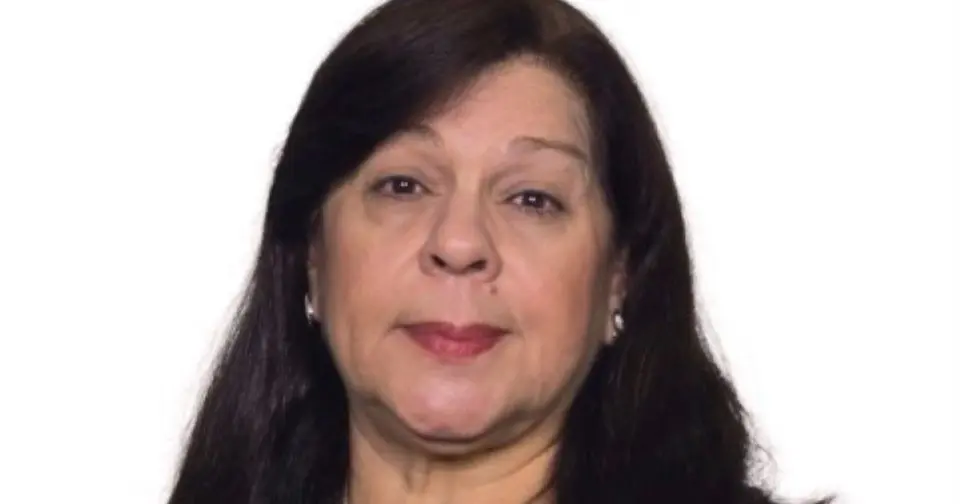
Former Magistrate with Questionable History on Key Commission for Supreme Court
Deyanira Nieves, a former chavista magistrate of the Criminal Cassation Division of the Supreme Court of Justice (TSJ), currently serves on the Credentials Review and Requirements Council for TSJ Candidates, according to diariolasamericas.com. The body, created by opposition and government delegations leading political dialogue, has the mission of evaluating candidates to renew the high court. Nieves is one of three former chavista magistrates who form part of that body.
Allegations weigh against her of having participated in questionable rulings, irregularities during her time in the Criminal Division, and human rights violations. Among the alleged facts are presumed links with manipulated witnesses in the trial following the murder of prosecutor Danilo Anderson, which occurred in November 2004. Those links, according to complaints, compromise the autonomy required to join the "multidisciplinary" council.
"Deyanira Nieves was always an important spearhead for the regime," stated former prosecutor Zair Mundaray, an expert on the Venezuelan judiciary, who also questioned the appointment. "The abuses she perpetrated as a judge and magistrate are countless," he wrote in his X account.
Nieves, daughter of radical left-wing leader David Nieves, served as director of Public Defence and as a magistrate between 2004 and 2015. During that period she presided over the Criminal Division and ensured, according to complaints, that chavismo won all cassation cases.
One of the most documented episodes involves the Vepaco business group. Mundaray described what occurred as "a huge fraud to strip them of their properties through the courts". According to the former prosecutor, Nieves and people linked to her interests appropriated the buildings and assets of the group. "Something really shady," he added. Nieves today serves as rector of the Audiovisual University of Venezuela, which operates precisely in the Vepaco building, located in eastern Caracas.
The case also included the television channel La Tele, property of the same business group. "They took it from them too and they had to leave the country, persecuted," Mundaray detailed.
Nieves's actions in the Anderson murder case, a Public Ministry prosecutor, also served as an instrument for Hugo Chávez to persecute businesspeople who had opposed his administration.
Nieves's incorporation into the review council has generated criticism among sectors that question the independence of the body and its capacity to guarantee genuine judicial renewal of the TSJ, historically controlled by the chavista regime.
Source: interview with Zair Mundaray with information from analitica.com.
Source: Google News VE — Crime