Cornell bans fraternity parties after sexual assault backlash, state police to investigate
Cornell University has suspended all fraternity parties through spring 2027 following outcry over a 2024 sexual assault case. New York state police will now handle campus sex crime investigations.
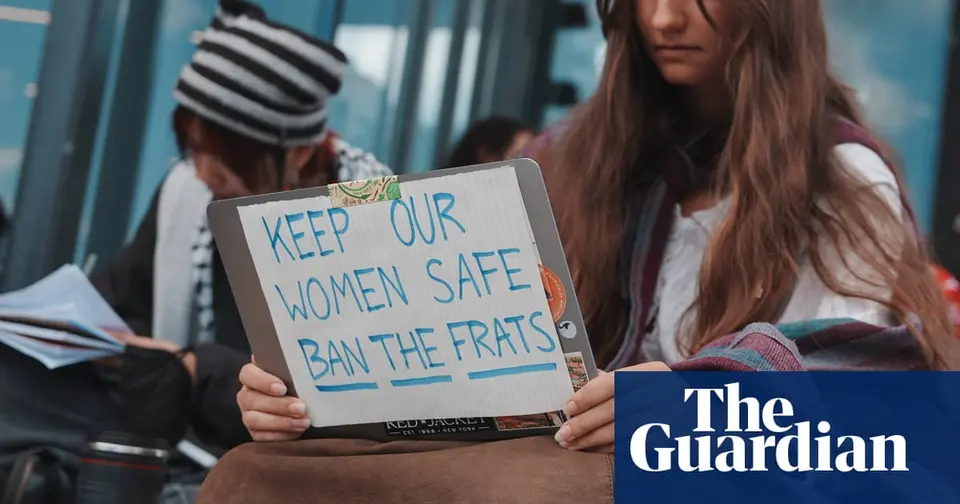
Cornell halts fraternity gatherings and brings in state police after assault case outcry
Cornell University has suspended all parties and social gatherings at its fraternity houses through the end of the 2026–2027 academic year, theguardian.com reports, after growing anger over the university's handling of a sexual assault allegation dating back to 2024.
University president Michael Kotlikoff announced the measures on Tuesday, saying the suspension applies to all houses governed by Cornell's interfraternity council. Any chapter found to be in violation will face immediate emergency suspension under a "zero tolerance" policy.
"These measures will provide time for a thorough review of fraternity life at Cornell to determine whether and how it can safely continue," Kotlikoff wrote in a letter to the campus community.
Kotlikoff also committed to adding a case manager to Cornell's office of civil rights to support those reporting sexual misconduct through the institution's internal processes. Crucially, he announced that New York state police — whose trauma-informed criminal investigators operate independently of the university — will now handle allegations of sex crimes on campus. Previously, such cases were managed by Cornell's own campus police force.
The announcements follow a civil lawsuit filed in September by a woman identified by the pseudonym Jane Doe. She alleges that several men assaulted her at Cornell's Chi Phi fraternity house after she arrived there in an intoxicated state while looking for a friend.
An internal Cornell investigation resulted in two of the accused men being expelled. Others, however, were permitted to return to their studies after completing an essay, attending a workshop, or serving a short suspension. None were arrested or charged by local law enforcement.
Public outrage intensified when the details of the lawsuit became widely known. New York Governor Kathy Hochul responded on 2 October by appointing state Attorney General Letitia James as special prosecutor to take over Jane Doe's case. If the evidence warrants it, James would present the case to a grand jury, which could lead to criminal charges.
Hochul said James's appointment was necessary because local police and prosecutors who were obligated to protect Jane Doe "failed" her. Two of the men named in the lawsuit have since challenged James's appointment as special prosecutor.
The Associated Press contributed reporting to the original source article.
Source: Google News MT