DOJ Charges Virginia Democrat Louise Lucas Weeks Before Midterms, Blanche Dismisses 60-Day Rule
AG Todd Blanche rejected concerns over the DOJ's informal 60-day anti-electioneering rule after federal charges were filed against Sen. Louise Lucas. Trump once strongly championed the same rule.
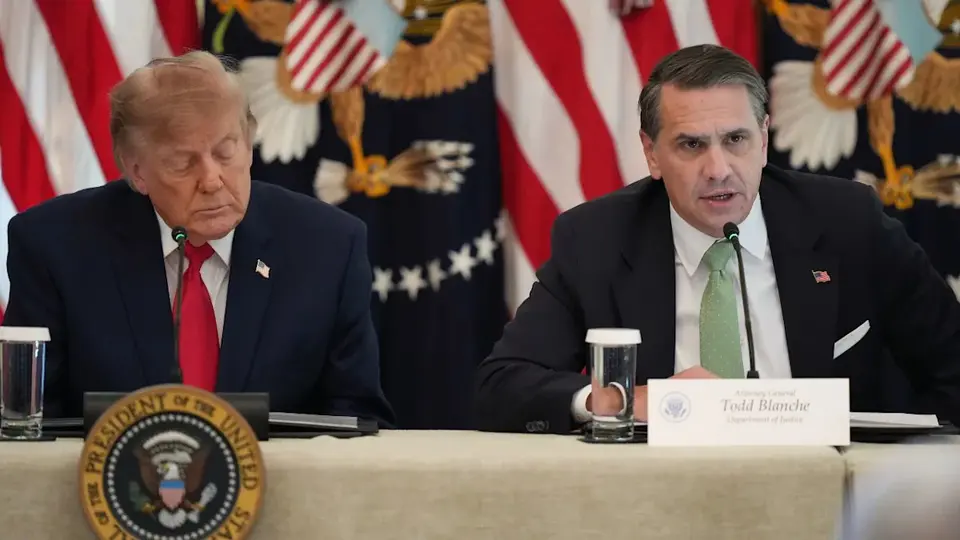
Blanche Waves Off Anti-Electioneering Tradition as DOJ Charges Virginia Democrat Before Midterms
The U.S. Department of Justice filed a federal criminal indictment against state Sen. Louise Lucas — one of Virginia's most prominent Democrats — less than two weeks before the midterm elections, according to yahoo.com. The timing immediately drew scrutiny over the DOJ's informal "60-day rule," a long-standing tradition under which prosecutors and the FBI are advised to avoid overt law enforcement actions that could influence an upcoming election.
The rule is unwritten and does not appear in the Justice Department's official manual. Its application has been contested and inconsistently observed across administrations.
Press Conference Confrontation
At a Thursday press conference announcing marijuana, racketeering, and money laundering charges against Lucas, a reporter pressed U.S. Attorney General Todd Blanche on the timing of the announcement.
"The typical practice is DOJ doesn't usually release charges like this this close to an election," the reporter said. "Even though Ms. Lucas is not on the ballot, her daughter is. So can you speak to the reason for the timing of these charges so close to an upcoming election."
Blanche was unmoved.
"I think you're referring to the 60-day or 90-day practice, which is not in writing, that's not part of the justice manual," Blanche said. "The justice manual speaks very clearly about what the Department of Justice can and can't do. And we cannot bring a charge if our purpose is improper. And there's nothing improper about this purpose."
Lucas' daughter, who is also named in the charges, is currently running for a seat on the Portsmouth City Council. The current administration appears to view the rule as presenting no meaningful barrier when charging political figures or their immediate family members.
Trump's Prior Position
The response stands in notable contrast to arguments made by President Donald Trump himself as recently as 2024 — arguments that Blanche personally drafted and filed on Trump's behalf.
In February 2024, then-candidate Trump complained that then-special counsel Jack Smith's investigation into his Mar-a-Lago handling of classified documents was improper in part because of its proximity to the 2024 election. That defense filing invoked the DOJ inspector general's report on former FBI Director James Comey's handling of the Hillary Clinton private email server probe — specifically, the criticism that Comey made a major law enforcement announcement just days before the 2016 election. The lead attorney on that filing was Blanche.
Trump went further than the standard 60-day window, arguing for an even longer buffer period before an election during which prosecutors should refrain from significant actions against political figures.
Social Media Arguments
In August 2024, Trump returned to the subject publicly. Writing on Truth Social in reference to Jack Smith's January 6-related prosecution, Trump argued that a superseding indictment filed within 60 days of the start of early voting constituted a violation of DOJ policy.
"It is DOJ policy that the Department of Justice should not take any action that will influence an election within 60 days of that election – but they just have taken such action," Trump wrote. "Voting starts on September 6th, therefore the DOJ has violated its own policy – Election Interference."
Smith, for his part, had previously pushed back on Trump's framing in the Mar-a-Lago case, arguing that the operative trigger for the 60-day rule was the date of indictment — and that Trump had been indicted in that case in June 2023, well outside any such window.
A Rule Selectively Remembered
The contrast between the Trump administration's current posture and its prior legal arguments is stark. Where Trump and Blanche once argued at length that federal prosecutors must respect the anti-electioneering tradition — and cited it as grounds for dismissing charges — Blanche now leads a Justice Department that charges a sitting Democratic state senator and her daughter fewer than two weeks before a contested election, calling the timing unremarkable.
The 60-day rule remains informal, unenforceable, and — as this week's events demonstrate — subject to the shifting priorities of whoever controls the department.
Source: Law & Crime