'Jhon Pulpo' captured in La Paz: leader of Los Pulpos, sought by Interpol
Bolivian police detained Johnsson Cruz Torres, known as 'Jhon Pulpo', leader of the Peruvian criminal gang Los Pulpos, in La Paz. He had been sentenced to life imprisonment.
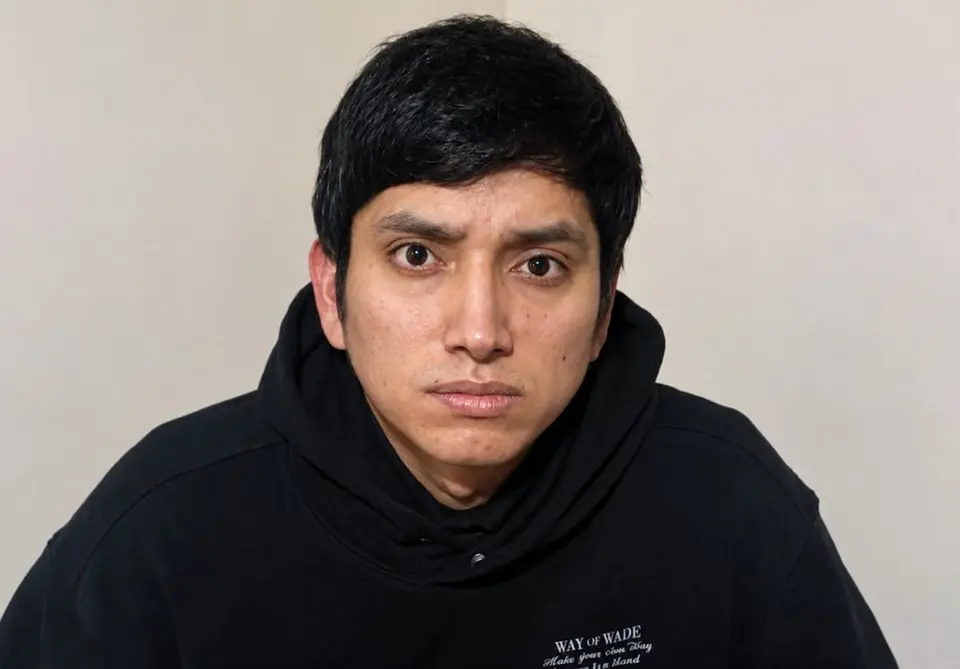
Arrest in La Paz ends years of flight for Los Pulpos leader
Bolivian police detained Johnsson Smit Cruz Torres, 30, known as 'Jhon Pulpo', on Tuesday in a building on Avenida Isaac Tamayo in La Paz. The detainee is the top leader of Los Pulpos, one of Peru's most violent criminal organisations, according to Google News ES — Crime (es) citing the newspaper El País.
Cruz Torres was subject to a life sentence for the murder of a businesswoman, a red notice from Interpol, and a reward of 500,000 soles—approximately 148,000 dollars—offered by Peruvian authorities.
The detention and circumstances of the arrest
The operation took place around ten o'clock in the morning. At the time of the intervention, 'Jhon Pulpo' was with Gabriel Alexander Mendocilla Gómez, 23 years old. He attempted to escape upon noticing the police presence, but was unsuccessful.
General Commander of the Bolivian Police, Adrián Javier Álvarez, explained that the investigation dubbed 'Pulpo Dos' had been underway since January and that the key information to locate the fugitive was received the night before the arrest. The Peruvian police, the Federal Bureau of Investigation (FBI), and the Drug Enforcement Administration (DEA) of the United States participated in the intelligence operations.
Officers found no weapons at the location, but seized 10,000 dollars, 700 bolivianos, 10,000 Chilean pesos, mobile telephones, and various documentation. Álvarez announced that the detainee was expelled from Bolivian territory that same day by resolution of the Migration Directorate and handed over to Peruvian authorities.
Bolivian authorities also identified physical modifications to the body of the arrested individual: changes to the ears, cheekbones, and eyebrows, the result of several surgical interventions designed to alter his appearance. "Evidently, this person was entering our territory temporarily, and in carrying out his regional operations, at certain times he was in Chile, Peru, or Argentina and Bolivia," Álvarez said.
Lima celebrates the capture, but a dispute emerges over police credit
In Lima, Peruvian Interior Minister César Astudillo highlighted the efforts made from his country. "It has been through a warrant that we issued from Peru some time ago. There have been teams following him. Obviously, all the procedures will be carried out to bring him to Peru," he stated. Astudillo used the announcement to note that other gang leaders are under surveillance: "This is not the only one. We have a mosaic of criminal gang chiefs and we are pursuing them."
However, the minister's account sparked controversy over the true role of Peruvian police. Analyst Jaime Antezana, a specialist in drug trafficking and organised crime, believes that Astudillo "wants to make the national public opinion believe that this important capture is the work of the National Police of Peru. And to sell an image of success based on the intelligence work of the Bolivian police."
Antezana relates this episode to the arrest in September 2025 of Erick Moreno Hernández, 'El Monstruo', leader of Los Injertos del Cono Norte. On that occasion, Paraguayan police rejected the version of a joint operation and stated that they had limited information exchange with their Peruvian counterpart for fear of leaks.
Peruvian National Police under growing pressure
The detention of 'Jhon Pulpo' comes at a time of intense scrutiny on the National Police of Peru. Its general commander, Óscar Arriola, accumulated criticism during the nearly three years in which politician Vladímir Cerrón remained in hiding. Now the institution is once again at the centre of debate over conflicting accounts surrounding the kidnapping of mining businessman Jens Marty Lara Tantaquilla in Trujillo.
Defence Minister Rafael Belaunde publicly presented a group of detainees as presumed suspects in that case and stated they belonged to Los Pulpos. Doubts have since arisen about the identity of those captured and about the role of police in the businessman's release. The discrepancies reached President Keiko Fujimori's own Cabinet: she publicly congratulated the National Police for the intervention, while Astudillo later argued that no police division had participated in the release of Lara Tantaquilla.
The controversy is especially uncomfortable for a Government that has placed public security among its main priorities and that seeks to show results against crime that continues to dominate the national agenda.
Los Pulpos: three decades of organised crime in northern Peru
The gang emerged in the 1990s in El Porvenir, a working-class district of Trujillo on Peru's north coast. Its early days were marked by robberies and minor offences, but over the years it developed a structure based on extortion, extraction rackets, kidnappings, and contract killings. The mutilation of victims' ears and fingers became one of its most feared hallmarks. It later incorporated activities linked to land trafficking and illegal mining.
The group was initially controlled by the Cruz Arce brothers. When several of their former leaders ended up in prison, Johnsson Cruz Torres, the son of one of them, assumed command and intensified the use of kidnapping as a tool of intimidation. Under his direction, the organisation extended its operations to Chile—especially in Santiago, where members of the Peruvian community were victims of extortion—and established a presence in Argentina and Bolivia.
Cruz Torres had been fleeing Peruvian justice for years, using South American borders as part of his strategy to remain a fugitive. On Tuesday, that flight came to an end in La Paz.
Source: Google News ES — Crime (es)