Bolivian Public Prosecutor's Office charges Morales and union leaders over 53-day blockades; Paz demands justice
The Public Prosecutor's Office admitted a complaint against Evo Morales, Mario Argollo and Vicente Salazar over the blockades that left more than 20 dead. President Paz called for those responsible to be punished with the same severity as the damage caused.
Bolivian Public Prosecutor's Office charges Morales and union leaders over 53-day blockades; Paz demands justice
The General Public Prosecutor's Office accepted a criminal complaint filed against three key figures from the opposition and trade unions for their alleged participation in protests that kept Bolivia paralysed for nearly two months. The defendants are former president Evo Morales, COB leader Mario Argollo and representative of La Paz peasants Vicente Salazar.
The accusation, lodged in recent hours, identifies them as principal architects of the road blockades that caused shortages, famine, economic losses and dozens of deaths between May and June. The three are attributed with the crimes of armed rebellion against national security, terrorism, sabotage of communication routes and conspiracy to commit crimes, among others.
The social conflict, which lasted 53 consecutive days, was characterised by the government as an attempt to destabilise the country promoted by sectors linked to drug trafficking and political extremism. According to official data, at least 20 people lost their lives after becoming trapped in the barricades without access to emergency medical care.
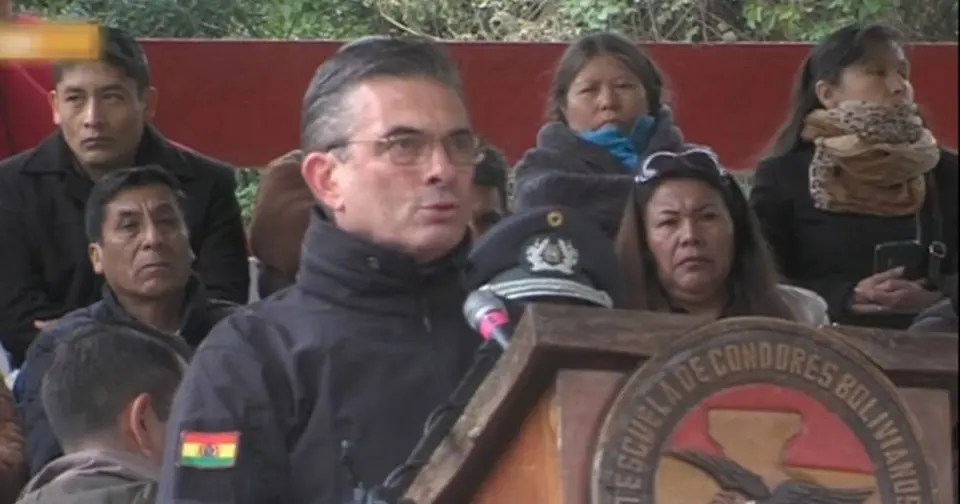
In this context, President Rodrigo Paz used the graduation ceremony for officers of the Eagles School—held in Sanandita, in the Gran Chaco province of Tarija—to demand that those responsible face punishment proportional to the suffering inflicted on citizens. "They cannot harm the future of the nation without consequences," the president warned the uniformed officers.
Paz also called on legislators and justice officials to act with integrity when approving laws and prosecuting the alleged perpetrators. "Let them pay in the same way they made the Bolivian people pay," he emphasised during his address.
The head of state distinguished between mobilisations with legitimate demands and those motivated by ideological doctrines or personal interests. He stressed that some fellow citizens prioritise their political beliefs above the collective wellbeing, which he described as a tragedy for the country.
He also urged the newly graduated troops to incorporate the fight against terrorism as part of their constitutional duties and praised the implementation of the state of exception, which in his view allowed public order to be restored without bloodshed.
_Source: El Deber_
Source: El Deber