New drug detection dogs in Berlin prisons – six teams planned
Berlin has introduced its own judicial drug detection dog unit to find drugs in detention facilities. Drug seizures have risen sharply since 2019.
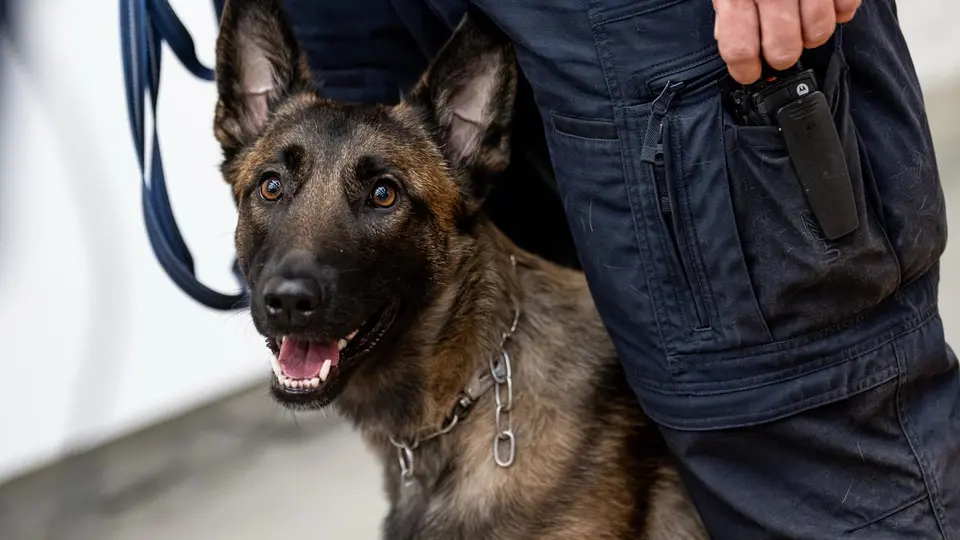
Judicial drug detection dog unit begins operations in Berlin detention facilities
Two service dogs have begun operations in Berlin's prisons: German Shepherd Ria and Malinois female Tara are to search for drugs in Berlin's seven detention facilities alongside their handlers. Justice Senator Felor Badenberg (CDU) presented the project on Wednesday at Tegel detention facility, as reported by tagesspiegel.de.
The two dogs completed a three-month training course with the Berlin Police and were conditioned to recognise various drug odours. A total of six detection dog teams are planned – including three data carrier detection dogs, which are to locate hidden mobile phones.
Years of political resistance overcome
Berlin is following other federal states. In previous coalitions since 2016, the Left Party and the Greens repeatedly blocked their own dog unit. Instead, police and customs had to provide assistance with their dogs – up to 56 times in 2023, distributed across all seven detention facilities. The CDU and SPD agreed in their coalition agreement on a stronger "fight against drugs in prisons".
Additionally, new drug detection devices are to be procured that can also identify synthetic substances – so-called novel psychoactive substances. Since 2021, one such device has already been in use. Further devices are to be hired in cooperation with other federal states. The technology works via a test strip that is rubbed over an object; within seconds, a database search provides a result.
Drug seizures in prisons have risen sharply
Seized quantities in Berlin's detention facilities have increased significantly. In 2019, just under four kilogrammes of cannabis and hashish were found; by 2023, almost eleven kilogrammes. By the end of September of this year alone, seizures stood at 10.5 kilogrammes.
Prison staff also recorded an increase in other substances: cocaine seizures this year have already reached almost 500 grammes – significantly more than in previous years. For amphetamines such as speed, crystal meth or MDMA, the figure was 425 grammes last year. The proportion of synthetic cannabinoids has increased particularly sharply.
"We are currently experiencing quite a spice wave, that is, a synthetic cannabinoid wave, in the facility," said Pia Andree, head of sub-facility 5 in Tegel prison, where approximately 160 serious criminals sentenced to life imprisonment are housed. Pain relief medications such as buprenorphine and tilidine are also popular. The Plötzensee prison has recorded the most drug seizures so far.
Not a criminal offence, but significant consequences
Drug consumption in prison is not a criminal offence, but it is prohibited – including cannabis despite partial legalisation. Prisoners caught doing so face consequences such as television bans or loss of temporary release privileges. The rationale for the prohibition is, beyond the state's duty of care, primarily prison violence: the most common cause is cited as debts from drug dealing.
Million-euro turnovers behind bars
The profit margins in drug dealing within prisons are considerable. According to tagesspiegel.de, payment is made via services such as Amazon Pay, Safe Pay or by bank transfer – processed through mobile phones that are brought into the facilities from outside. Over the past three years, an average of 1,200 mobile phones per facility across all seven Berlin detention facilities have been seized during routine checks alone. The new detection dog teams are also intended to help locate these devices.
Source: Google News DE — Crime (de)