Finnish court rejects FBI Anom-operation messages as evidence
A Finnish district court ruled that messages gathered in the FBI's Anom honeypot operation were obtained unlawfully and cannot be used as evidence against two suspects.
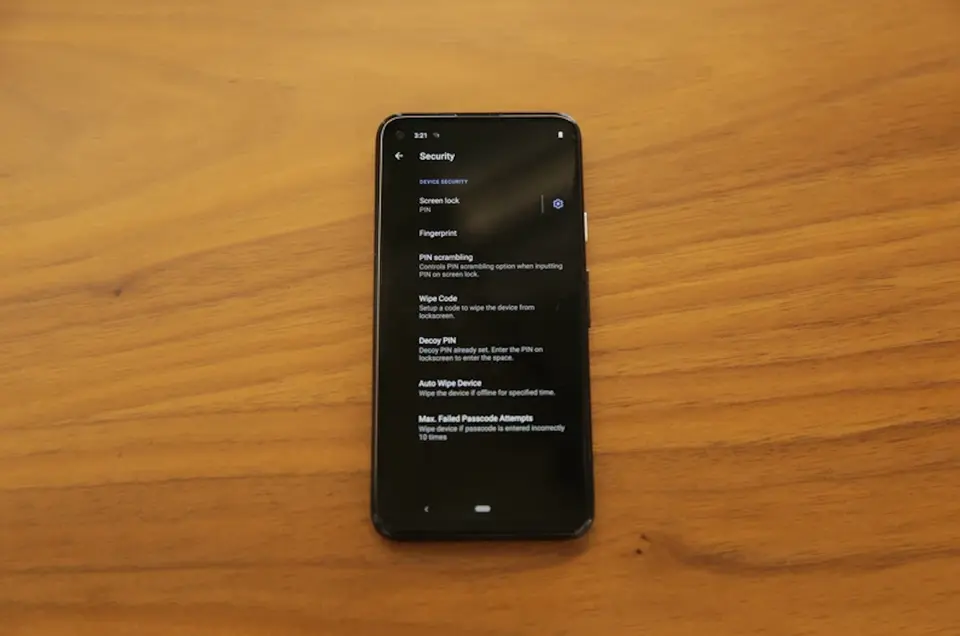
Anom messages rejected as evidence in Finland
A Finnish district court has rejected chat messages gathered by the FBI from the encrypted Anom phone network as evidence against two suspects, Vice reported citing an investigation by the Finnish Iltalehti. The ruling applies directly only to the charges against two individuals, but it may have reverberating effects on trials concerning Anom-phone users across the world.
At the centre of the case are Finnish rapper Ville Virtanen, who is alleged to have planned a €10,000 transfer to a drug leader in Spain, and Kalle Kallonen, who is accused of money laundering. Virtanen's defence argued that the Anom messages had been obtained through a covert enforcement measure in accordance with Finnish law. The use of such additional information requires that the maximum penalty for the offence in question be at least three years' imprisonment. However, the maximum penalty for money laundering in Finland is two years. The district court ruled that the messages had been obtained unlawfully from individuals in Finland and Spain, and that the necessary surveillance permits had not been sought properly. The prosecutor announced they would appeal the ruling.
Anom was an encrypted phone service whose owner, convicted of drug trafficking, handed it over to the FBI in 2018. As the service grew with customers around the world, devices secretly sent a copy of every message to the FBI and Australian police. In June 2021, authorities revealed the operation and arrested hundreds of individuals, among them numerous suspected major drug traffickers. Courts in various countries continue to handle these cases.
The parallels with the EncroChat case are apparent. This was another encrypted phone service that French police secretly hacked in 2020 to thousands of users and intercepted their messages. Defence lawyers questioned the legality of the operation in several countries. In Britain, a judge found the messages to be admissible evidence, but case law varies by country.
The Anom application was hidden inside a phone's calculator application, and the device also contained a fake application environment filled with fabricated applications, which could appear to an outside observer like an ordinary phone.
Source: Vice