Trial of the A10 victim's parents to be held in November 2026 at Blois
The trial of the parents of Inass Touloub, found dead on the A10 in 1987, will take place from 9 to 27 November 2026 before the assizes court in Blois. They are accused of torture and acts of barbarism that caused the child's death.
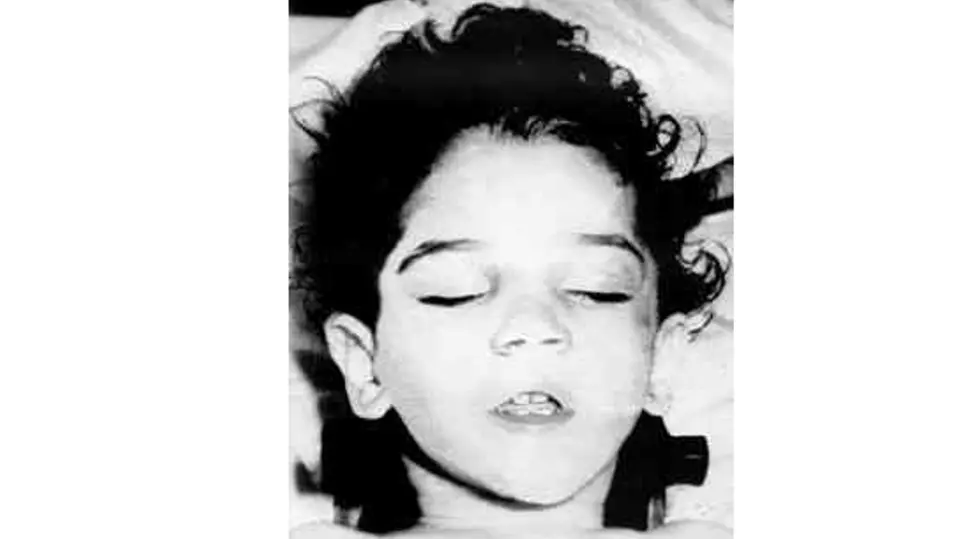
A long-awaited trial
The body of four-year-old Inass Touloub was discovered on 11 August 1987 on the embankment of the A10 motorway near Blois, in Loir-et-Cher. For 30 years, her identity remained unknown — she was nicknamed "the unknown child of the A10". The autopsy revealed traces of violence, burns and human bite marks on her body. According to TF1 Info, the trial of her parents will take place from 9 to 27 November 2026 at the courthouse in Blois.
The two parents, now in their seventies and in poor health, will have to answer charges of torture or acts of barbarism resulting in death without intent to cause it, as well as complicity. The maximum sentence is life imprisonment. The case is expected to attract significant media attention due to its public impact and the persistent interest in this matter over more than three decades.
A case that nearly came close to being relocated
The public prosecutor's office in Orléans had requested a change of venue from the Court of Cassation approximately a year ago, citing organisational difficulties at the local assizes court and insufficient staff. This request was rejected. The Orleans court of appeal has since obtained a "sensitive trial" accreditation to ensure the best possible conditions for holding the hearing. Work must be carried out in the courtroom to improve comfort for the parties and accommodate participants.
The delays accumulated in this case have prompted several reactions in recent months. The lawyer for the municipality of Suèvres, where the child had been buried, notably engaged the responsibility of the State before the courts to accelerate proceedings.
Source: TF1 Info