National Police on Alert Over Wave of Fraudulent Calls
Fraudsters impersonate police officers to gain access to sensitive files such as the SIV and the FPR. The police directorate general is calling for heightened vigilance.
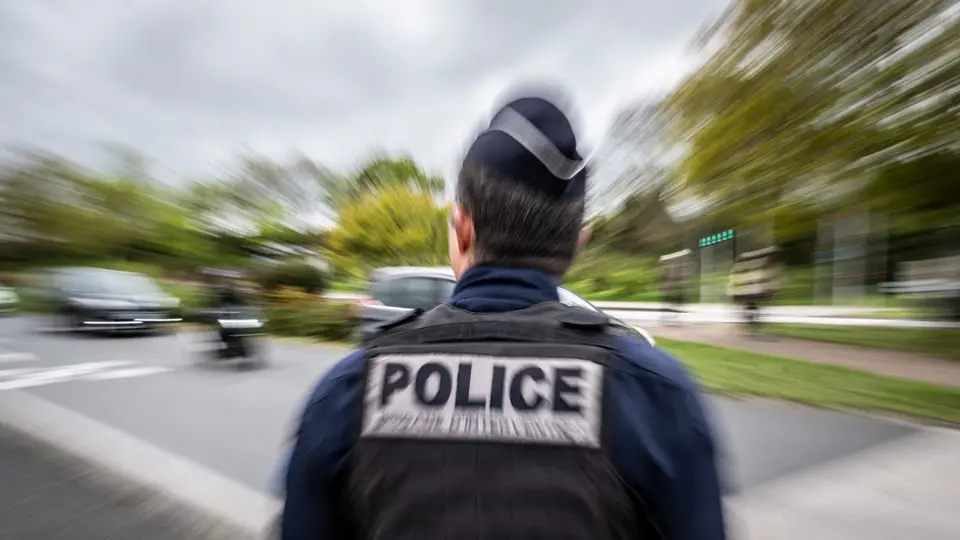
National Police Facing Surge in Fraudulent Calls
According to France Info, the director general of the national police Louis Laugier has alerted police services to an increase in fraudulent telephone calls. In a telegram dated 29 October, consulted on 2 November, he calls on officers to heighten their vigilance in the face of this phenomenon.
Fraudsters employ a simple but effective method: they impersonate police officers, gendarmes or municipal police. Their objective is to obtain information over the telephone contained in sensitive police files. These attempts can rely on telephone number spoofing techniques, or "spoofing", which allow the genuine number of an administration to appear on the recipient's screen to reinforce the credibility of the request.
Files Targeted by Fraudsters
The vehicle registration system (SIV) and the file of wanted persons (FPR) are the fraudsters' preferred targets. These two files contain particularly sensitive information that can be exploited for criminal purposes or identity theft.
"This rise in fraudulent calls has recently been observed by the territorial services of the national police", wrote Louis Laugier in his telegram. The increasing volume of these attempts justifies the reinforcement of security measures amongst officers.
Recommendations from the National Police
Faced with these practices, Louis Laugier issued several directives. He calls for information from police files not to be communicated by telephone except in exceptional circumstances. For requests deemed legitimate, he recommends conducting a call-back to the service allegedly at the origin of the request, using a number obtained from an official and independent source.
The director general also calls for any suspicious solicitation to be immediately reported to senior management. These measures aim to create a rapid alert chain in the event of an identified fraud attempt.
The Threat of Spoofing
Telephone number spoofing techniques represent an increased risk for officers. By making an administration's official number appear on the officer's screen, fraudsters gain credibility. A less experienced or distracted officer could fail to detect the deception and divulge the requested information.
This method of identity fraud underscores the importance of not relying solely on the caller's identifier. Verification by call-back therefore becomes essential to confirm the authenticity of the request, particularly when sensitive files are involved.
Stakes and Implications
Information contained in the SIV and the FPR can be exploited for various criminal activities: locating suspects, identity theft, or facilitating illegal operations. The vigilance of police officers thus represents the first line of defence against these attempts.
The alert launched by the police directorate general reflects the growing scale of the phenomenon. By informing territorial services and establishing strict verification protocols, the police seek to stem this threat before it becomes more widespread.
Source: France Info