Referral to assizes in Crépol murder: debate on anti-white racism reignited
Eleven accused have been referred to the juvenile court of assizes for the murder of Thomas Perotto, 16, in November 2023. Judges upheld an aggravating circumstance of anti-white racism, initially rejected by the prosecution.
Aggravating circumstance recognised after debate
According to Le Figaro, examining magistrates referred eleven accused to the juvenile court of assizes of the Drôme on 25 September for the murder of Thomas Perotto, 16, killed in the night of 18 to 19 November 2023 at the exit of the Crépol ball. The magistrates recognised an aggravating circumstance: "the facts were preceded, accompanied or followed by statements damaging the honour of the victims on account of their membership, real or supposed, of the white race and the French nation". This qualification is based on a collection of documented elements.
The order lists nineteen witnesses who reported statements targeting white persons, and five others who heard insults against the French. The formulations collected included "we're going to stab a white person", "we're here to kill little white people" and "fucking French bastard". The judges find consistency in the existence of discriminatory statements, collected shortly after the facts. Examination of the phones of those accused shows that the word "French" was habitually used to designate those not belonging to their group. One accused acknowledged hearing such statements.
Disagreement with the prosecution
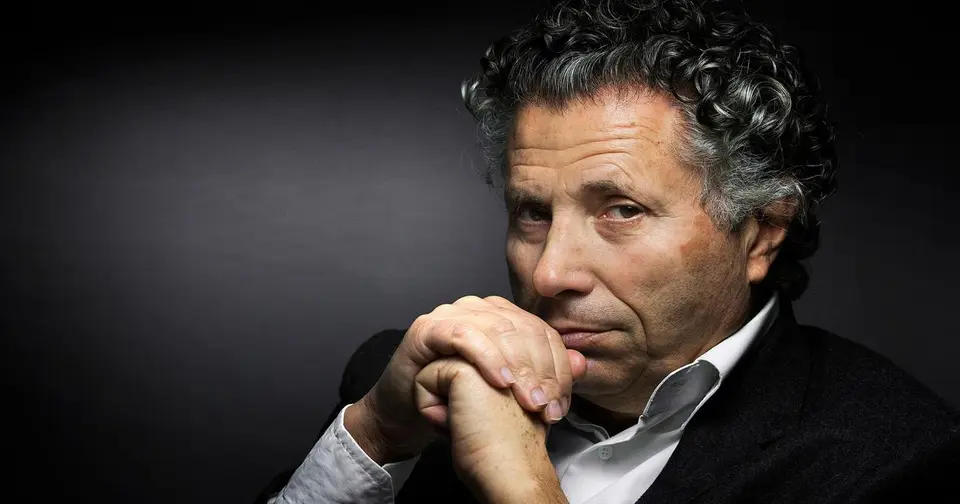
The Valence prosecution opposed this qualification in its submission of 17 August. It had estimated that the testimonies were "very much in the minority" relative to the number of interviews conducted. The Penal Code explicitly provides for an increase in sentence when the crime is committed on account of membership in a supposed race, ethnicity, nation or religion, without prioritising victims according to their origin. Lawyer and commentator Gilles-William Goldnadel emphasises in his column that the difficulty is not legal but political. He notes that the prosecution, which speaks on behalf of society, had refused to pursue this aggravating circumstance.
Context of public debate
The recognition of this qualification comes after several years of controversy. The organisation SOS Racisme maintained that anti-white racism is "a notion that comes from the far right" and that it "has no statistical reality". When the judges upheld the aggravating circumstance, the organisation published no statement and announced no action to become a civil party in support of the victims. Other public interventions have also questioned the narrative of the facts: journalist Patrick Cohen had asserted as early as November 2023 that the young people involved had not come to "beat up white people" but to enjoy themselves and flirt. In 2025, an audiovisual documentary investigation sought to "deconstruct" the narrative of an anti-white raid.
Conversely, some organisations contributed to the recognition of the circumstance. The AGRIF of Bernard Antony, through lawyer Jérôme Triomphe, filed observations that contributed to this qualification. Documentary works have also examined the phenomenon: "Anti-white racism. The forbidden investigation" and "Dirty White. The racism we refuse to see", published by François Bousquet, collect hundreds of testimonies from schools, the street and neighbourhoods. These elements support the observations of the judges in the Crépol case.
Issue of legal recognition
Goldnadel emphasises that the initial silence of the prosecution reveals political unease surrounding the recognition of racism when the victims are white and French. He asserts that if the victim had been of another ethnicity and nationality, with similar statements, no debate would have taken place over the qualification. At Crépol, he continues, the assailants did not choose their statements at random: "white" and "French" designated the same target — those from the village, those who did not belong to the group of the perpetrators. The trial will have the task of ruling on these qualifications and their factual foundations.
Source: Le Figaro