Unlicensed quadricycle: teenager prosecuted for fatal traffic offence in Savoy
A 14-year-old driver without an AM licence hit a 78-year-old cyclist on Thursday in Savoy. The teenager is being prosecuted for fatal traffic offence, an infraction created in July 2025.
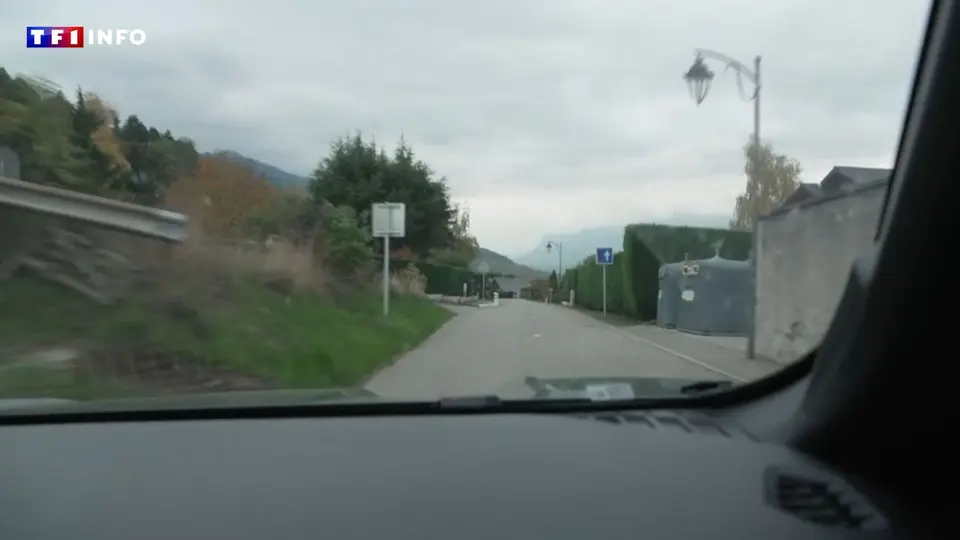
Teenager prosecuted following cyclist's death in Savoy
A quadricycle driven by a 14-year-old girl hit a 78-year-old cyclist on a mountain road in Villaroux (Savoy) on Thursday 29 October. According to TF1 Info, the cyclist died. The driver, who did not have the AM licence required to drive this type of vehicle, was not the owner of the quadricycle and left the scene of the accident.
The village mayor, Michel Petit, discovered the scene approximately ten minutes after the collision. "I found the person under the vehicle," he said. The young girl was committed for trial for fatal traffic offence, a criminal infraction created in July 2025, aggravated by two circumstances: hit-and-run and absence of a driving licence.
To drive a quadricycle, an AM licence (Apprentice Motorcyclist) is compulsory from age 14. This requires first a theoretical certificate obtained at secondary school, then a compulsory eight-hour practical course at a driving school. The teenager did not hold any of these qualifications.
The prosecutor for Chambéry, Xavier Sicot, specified in a statement that the new infraction of fatal traffic offence carries substantially more severe penalties than involuntary manslaughter. Caroline Tichit, a road law solicitor, explains: "The legislator intended to punish much more severely drivers prosecuted for these offences. There are much longer prison sentences, higher fines and longer periods of suspension and disqualification from driving."
As a minor, the teenager faces a maximum sentence of five years' imprisonment, compared to ten years for adults. She was placed under judicial supervision with a prohibition on driving any motor land vehicle.
Source: TF1 Info