€5.8 million fraud at NGO: donations for children with cancer in Northern Greece embezzled
A six-member criminal organisation was seizing donations intended for sick children through a well-known NGO. Over €5.8 million was found in the examined bank accounts.
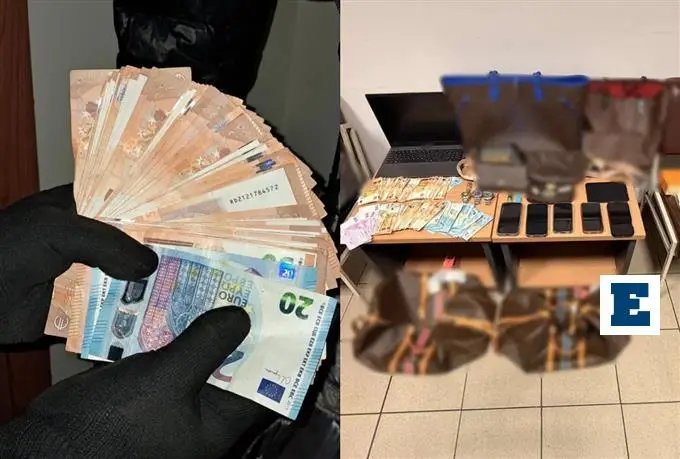
Dismantling of criminal organisation exploiting fundraising for children with cancer
Over €5.8 million was found in bank accounts belonging to a well-known non-profit organisation and its principal manager—money that had been collected through fundraising drives for children with cancer and disabilities. According to Ethnos, the case was uncovered following a multi-month investigation by the Economic Crimes Prosecution Division of the Anti-Organised Crime Sub-Directorate for Northern Greece.
The investigation led to the dismantling of a criminal organisation comprising six members, divided into two distinct subgroups. The first is alleged to have carried out the deception of donors and the embezzlement of funds from fundraising drives. The second is alleged to have operated in match-fixing and illegal gambling.
The NGO and its credibility profile
The organisation was founded in 2018, with the stated aim of collecting money for children facing serious health problems, primarily various forms of cancer, as well as for children with disabilities. Its managers selected specific children as beneficiaries and posted photographs and information about their health status on social media, describing the financial needs of their families.
Through posts on Facebook and Instagram, appeals were made to cover hospitalisation costs, medical procedures, transport and accommodation. In this way, according to the authorities, the organisation managed to create a particularly strong credibility profile, attracting a large number of donors—among them well-known artists, athletes and businesspeople, whose donations were publicised.
92 fundraising drives, 74 beneficiaries
From cross-referencing the data, police officers identified a total of 92 fundraising drives concerning 74 different beneficiary individuals, of which 55 were identified. In some cases, more than one fundraising drive was carried out for the same child without this being disclosed to donors. In some posts, different photographs and information were used so that it would not appear that other appeals had previously been made for the same beneficiary.
Meanwhile, cases were discovered in which the costs of medical procedures were already covered by insurance bodies, despite the posts referring to the need to collect money. In other cases, the actual cost of medical services is alleged to have been much lower than that presented to donors. There were also cases in which citizens were called upon to contribute to hospital facilities, without these funds ultimately ever reaching them.
The mother who was blocked
One of the most characteristic aspects of the case concerns, according to police, a mother of a child with cancer who decided to collect money without the intermediation of the organisation. Members of the criminal group are alleged to have deposited a sum of money into her personal account and subsequently filed a complaint with the bank for alleged fraud, resulting in her account being deactivated. They then appeared willing to help her, allegedly attempting, according to the authorities, to convince her to return to the organisation for a new fundraising drive.
Over 246,000 bank transactions
The financial investigation was carried out with the assistance of the Authority for Combating Money Laundering from Criminal Activities. A total of 29 bank accounts and payment institution accounts in Greece and abroad were examined, whilst over 246,000 bank transactions were analysed.
During the period 2018–2026, over €5.8 million was credited to the accounts of the organisation and to personal accounts of the principal manager. The exact amount of money collected in cash from events and collection boxes at various locations in the country remains unknown.
Donations were deposited both in the organisation's bank accounts and in personal accounts via IRIS. Subsequently, amounts that did not reach the families were transferred to personal accounts, withdrawn in cash or appeared as transactions by companies that are alleged to have been established to conceal their true origin.
Almost €2.83 million never reached the children
From the statements of parents of 34 beneficiary children, which were located and examined as part of the police operation, revealing information emerged. The families received a total of approximately €1,111,176, whilst the corresponding donation credits amounted to €3,940,692. The difference, amounting to approximately €2,829,516, constitutes the amount that, according to the police investigation, was never disbursed to the actual beneficiaries.
Source: Ethnos