Patras Court of Appeals: 27 defendants in dock over Achaean Bank
The second-instance trial has begun for the Achaean Cooperative Bank with 27 defendants. The damage is calculated at €209 million.
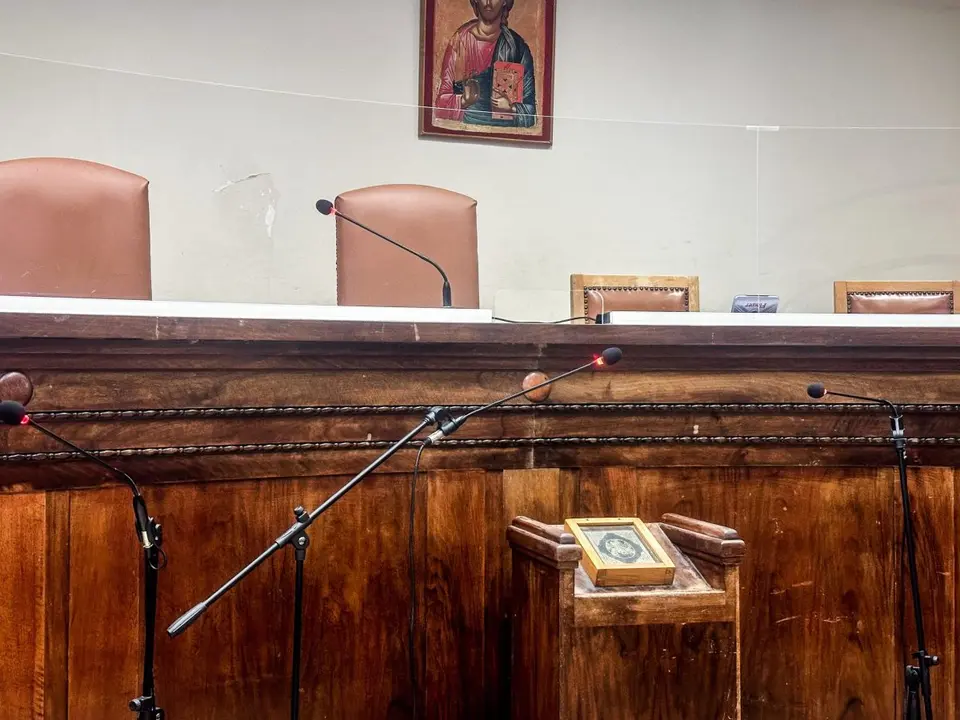
Second-instance trial of Achaean Bank: 27 defendants, €209 million damage
According to Dikastiko.gr, the second-instance trial in the Patras Court of Appeals has begun for the case of the Achaean Cooperative Bank — one of the largest economic scandals in recent Greek judicial history. Twenty-seven defendants are in the dock, including former members of the Board of Directors, banking executives and businessmen who had taken out substantial loans.
The hearing proceedings are hosted at the Patras Courthouse, in a ground-floor courtroom. Three sessions per week have been scheduled so as to avoid delays that could lead to the statute of limitations expiring on offences.
What the first-instance trial revealed
In the first-instance trial, a total of 88 people had been referred. Of these, 61 — primarily small and medium-sized executives and borrowers of smaller amounts — were acquitted. The remaining 27 were convicted of criminal breach of trust.
For ten of them sentences of five to six years' imprisonment were imposed. For the other 17, prison sentences ranged from three to five years. All those convicted appealed, bringing the case to the Court of Appeals.
Civil action and witnesses
The bank's liquidation company is participating in the trial as a civil claimant. Appearing as witnesses are representatives of the Shareholders' Association, who argue that 15,000 members saw their shares lose their value. The total damage to the shareholders is calculated at approximately €43 million.
The prosecution's rationale
The first-instance court had based the conviction on specific findings: loans that were granted without adequate security, insufficient credit checks and repeated refinancing of already problematic customers. The prosecution argues that this constitutes a systematic and dangerous practice that led the financial institution to collapse.
The total amount of damage has been assessed by the prosecution at approximately €209 million — a sum which the prosecution side characterises as proven.
The defence line
The defence presents a different analysis of the facts. The defence counsel argue that the loans in question were approved through the bank's institutional bodies, were accompanied by collateral or guarantees and fell within the scope of normal banking practice of the time.
The defence counsel's central argument is that the economic crisis and market collapse retroactively nullified the value of the security, turning initially viable loans into doubtful ones. They also dispute the accounting figures for the damage, pointing out that the liquidation has not been completed and that collection, settlements and recovery of claims are continuing.
The critical legal question
The Court of Appeals is called upon to rule on a fundamental question: whether the decisions of the defendants constitute a criminally punishable act committed with intent, or whether they represented erroneous business decisions in an environment of deep economic crisis. The second-instance proceedings are expected to be extensive, given the scale of the case and the number of defendants.
Source: Dikastiko.gr