Kampouris arrested in Alimos: fraud ring defrauded e-EFKA by 5 million euros
Filippos Kampouris, president of LAOS, and his wife were arrested on Tuesday in Alimos as alleged ringleaders of a criminal network that defrauded e-EFKA by 5 million euros.
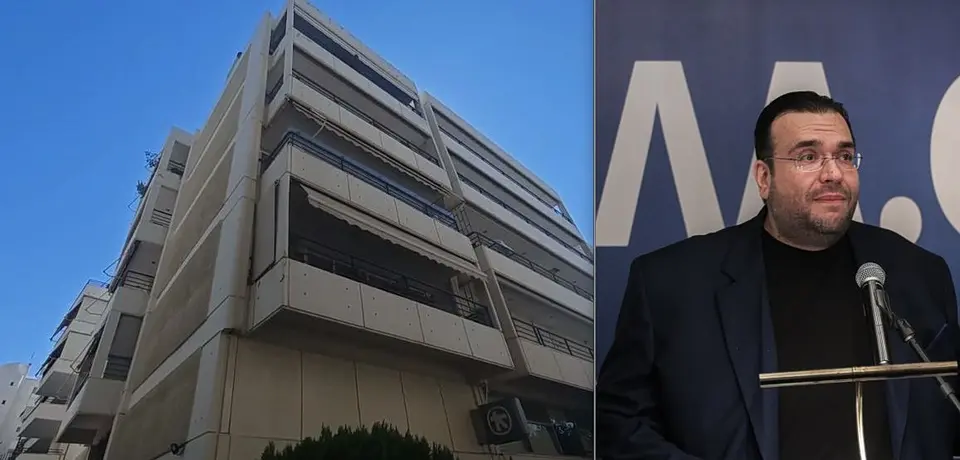
Raid in Alimos: Kampouris and his wife in SDOE custody
Filippos Kampouris, president of LAOS, and his wife were arrested on the morning of Tuesday, 6 October in a residential building on Kanari Street in Alimos, directly overlooking the seafront. According to To Vima, the operation was carried out by the Organised Crime Confrontation Directorate (SDOE) and the Economic Crime Investigation Sub-directorate. The couple face charges as alleged ringleaders of a criminal organisation that systematically committed fraud and tax evasion against e-EFKA.
Residents of the four-storey residential building described to police a targeted raid on the flat rented in the name of Kampouris's wife. There the authorities immobilised and arrested the couple without incident.
Eight arrests in Attica — 5 million euros in damages
The operation was not limited to Alimos. As part of coordinated actions across various areas of Attica, the authorities arrested a total of eight people. Among them were accountants, businesspeople and individuals used as "strawmen" — that is, nominal representatives of companies that concealed the network's real activities.
The total financial damage estimated to have been inflicted on public funds reaches 5 million euros. The network is alleged to have operated without disruption for more than five years, with its activity dating back at least to 2021.
How the e-EFKA fraud worked
According to information that has emerged so far from the investigation, the network's method was standardised and repetitive. The perpetrators would establish fictitious or temporary companies, placing "strawmen" in the positions of legitimate representatives who had no knowledge or substantive role in the activities.
These companies accumulated significant debts to e-EFKA, failing to pay the required insurance contributions. When the level of debt made further operation impossible, the company would abruptly cease operations, leaving the debt to the state. The process would then be repeated with a new legal entity.
The authorities' investigations are continuing with the aim of identifying any other parties involved and fully documenting the organisation's activities.
Source: To Vima