Mazonak case: 56-year-old doctor sedated patients because she was unable to perform venepuncture
New evidence in the case of the death of singer Giorgos Mazonak shows that the accused administered sedatives to patients due to lack of knowledge of venepuncture.
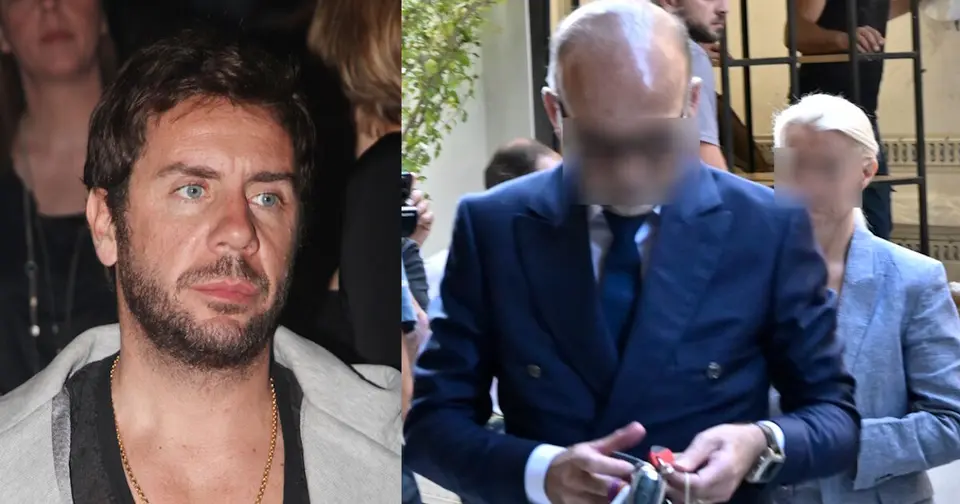
New findings in the Mazonak case: sedatives instead of venepuncture
Newsit.gr reports new evidence that overturns the facts known so far in the case of the death of singer Giorgos Mazonak, with focus now turning to the substances found in his body and the method of operation of the 56-year-old accused doctor.
Toxicological tests, depositions and testimony confirm that the singer was administered three substances: midazolam, propofol and anexate — the latter as an antidote to midazolam. The 56-year-old doctor has denied from the outset that she administered sedative substances to the artist.
According to police investigator Vassilis Lambropulos, who spoke to Live News, the 56-year-old had been performing plasmapheresis procedures at her clinic on Karneadou Street since 2022. The plasmapheresis machine was acquired that year and — as Live News revealed — the purchase was made in the name of both accused doctors.
This contradicts the claim of the 58-year-old doctor that he was unaware of the existence of the machines and the plasmapheresis procedures, claiming that his wife, the 56-year-old, had undertaken them exclusively. The two accused appear to be following different defence strategies.
During the period 2022–2023, an anaesthetist trained in Germany worked at the clinic, who had never used sedatives on plasmapheresis patients. In May 2023, the anaesthetist ended her cooperation and the procedures were taken over by the 56-year-old herself. The latter had claimed that she too had trained in Germany — something that, however, has not been confirmed to date.
According to Lambropulos, the accused did not have the knowledge of an anaesthetist nor experience in venepuncture. The authorities are examining the possibility that she administered sedatives to patients precisely so that she could perform venepuncture on them without resistance. The same police investigator stated that the doctor had built up a supply of sedative substances at her clinic in recent years.
This fact is said to explain both the rupture of Giorgos Mazonak's veins, as well as similar complaints from other patients who underwent treatment at the Karneadou clinic.
Source: Newsit.gr