Italian prisons at 139% overcrowding: 64,436 inmates for 46,318 places
As of 30 April 2026, Italian prisons are holding 64,436 inmates against 46,318 actually available places. The Antigone report denounces 82 suicides in 2025 and 24 already in 2026.
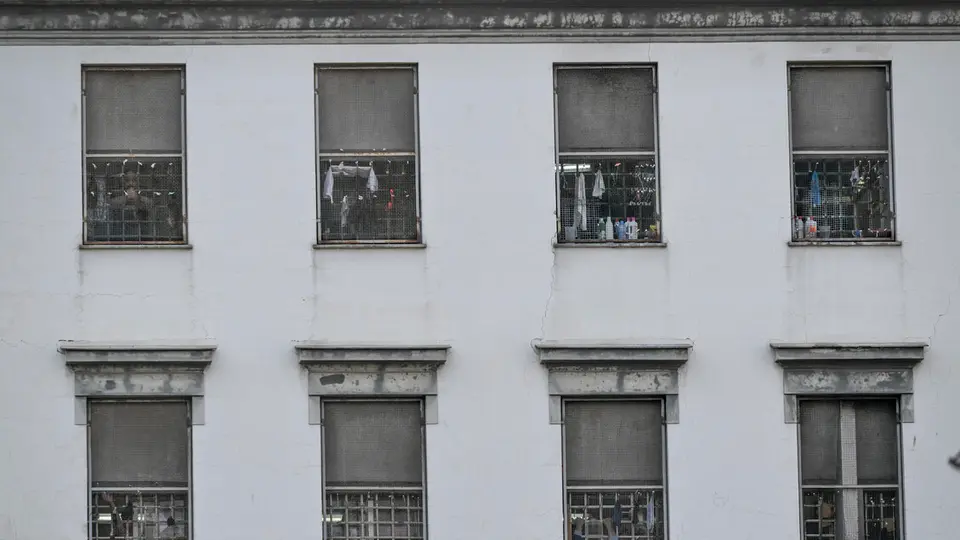
Record overcrowding in Italian prisons: 73 institutions above 150%
As of 30 April this year, Italian prisons were holding 64,436 inmates against a regulatory capacity of 51,265 places that fall to just 46,318 actually available places. This is reported by ANSA Cronaca, citing the XXII Antigone Report on Detention in Italy. The actual overcrowding rate has thus reached 139.1%.
There are 73 institutions with an occupancy rate equal to or exceeding 150%. In 8 prisons the figure exceeds 200%. Only 22 institutions across the entire national territory are reported as non-overcrowded.
Despite the government announcing a Prison Plan, available places have decreased by 537 units since the plan was launched.
Detained population increasingly older, but young adults return to growth
The average age of the detained population is progressively increasing. Until 2010, inmates under 40 years old accounted for over 60% of those present; by the end of 2025 the share had fallen to 43.9%. Those over 50, who in 2010 constituted 15.8% of the prison population, had risen to 29.5% by the end of 2025.
This ageing trend is however partially contained by the recent growth of young adults. Inmates aged between 18 and 20 years increased from 1% of the population at the end of 2021 to 1.6% in 2025. The 21-24 age bracket, after reaching a low of 4.7% at the end of 2022, had risen to the current 5%.
Cells closed for over 60% of inmates, rising tensions
Over 60% of detained persons spend almost the entire day in their cell. Only 22.5% are in sections with dynamic supervision. In recent months, circulars from the Department of Prison Administration (DAP) have further restricted freedom of movement, activities and contacts with the outside world.
Antigone notes that such restrictions, justified on security grounds, have had the opposite effect. Assaults on prison police have increased from 2,154 to 2,423 cases, an increase of 12.4%. Assaults between inmates have increased from 3,356 in 2021 to 5,812 in 2025, equal to a rise of 73%. Disruptive acts affecting order and security have increased by 27.6%.
"A closed prison is not a safer prison, but a prison where people and operators are more alone and more abandoned," says Patrizio Gonnella, president of Antigone. "Instead, we need to open the prison, to the outside world, to volunteers, to activities."
82 suicides in 2025, already 24 from the start of 2026
In 2025 at least 82 people took their own lives in prison. From the start of 2026 suicides have already reached 24: in less than a year and a half, 106 detained persons have died by suicide. In 2025 alone, there were 254 overall deaths, the highest figure in decades. Acts of self-harm exceed 2,000 per 10,000 inmates, meaning that on average one in five detainees commits acts of self-harm.
Antigone's proposals
Faced with this situation, Antigone is calling on the government to radically change approach. The proposals contained in the "Everything Closed" report include: an extraordinary plan to fill prisons with activities ahead of summer, in order to reduce suicides; withdrawal of the circulars that have limited prison life, particularly those on medium and high security; urgent measures to reduce overcrowding; extension of alternative measures, also through the use of the expanded disciplinary board; access to home detention for those with less than 12 months of sentence remaining.
The association also proposes: investments in professional work; opening of secondary school sections and university centres with reduction of bureaucratic obstacles; outdoor sport for all inmates during summer; restoration of open custody and dynamic supervision; daily telephone calls; reduction of isolation and special supervision; immediate interventions to prevent suicides and self-harm, with timely notification to families; constitution of the government as civil party in proceedings for torture or injuries committed by prison police representatives; general health screening for all inmates, with priority given to infectious diseases and psychiatric conditions.
Crimes declining, but high recidivism and longer sentences
Crime in Italy remains substantially stable and in the first months of 2025 is down by 8%. Prison admissions are also falling, and pre-trial detention now affects 24.1% of inmates, in progressive decline. What is increasing instead are longer sentences, a result of punitive policies adopted by the current government, which since the start of the legislature has introduced over 55 new crimes, more than 60 aggravating factors and over 65 sentence increases.
The system continues to fail on the front of recidivism: only 40.8% of inmates are in prison for the first time. 45.9% have already been in prison one to four times, 10.6% five to nine times, 2.7% more than ten times. According to Antigone, these figures demonstrate the ineffectiveness of the current detention model in preventing a return to crime.
Source: ANSA Cronaca