Viareggio massacre: Moretti imprisoned following final conviction after 17 years
The former chief executive of Italian State Railways has been sentenced to 5 years for culpable disaster. The fire of 29 June 2009 caused 32 deaths and over 100 injuries.
Viareggio massacre: Moretti imprisoned following final conviction after 17 years
After a judicial process lasting 17 years, Mauro Moretti has been definitively sentenced to 5 years' imprisonment for the Viareggio railway disaster. The former head of Italian State Railways and Italian Railway Network is now in Orvieto prison.
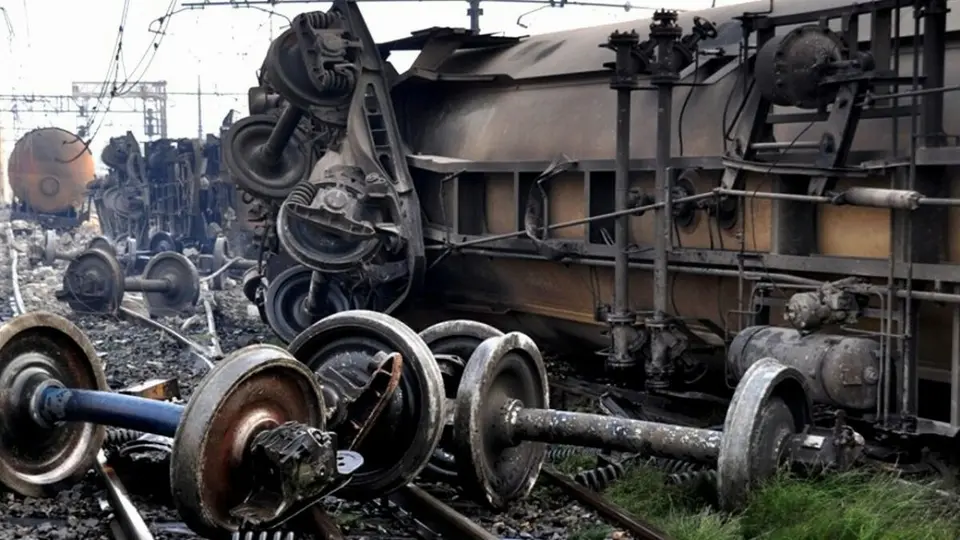
The tragedy dates to the night of 29 June 2009, when a freight train carrying liquefied petroleum gas derailed near the station. Four of the 14 cisterns overturned and one ruptured, releasing a large quantity of gas. The explosion generated a fire that destroyed an entire residential district, causing 32 deaths and over one hundred injuries, some of which resulted in permanent physical consequences.
The proceedings were characterised by an exceptional duration, with a first instance trial, three levels of appeal and two passages through the Court of Cassation. Over time, most of the charges were extinguished by the statute of limitations, including culpable homicides after the Supreme Court did not recognise the aggravating factor of violation of workplace safety regulations. Only the charge of culpable disaster remained.
Moretti, now 72 years old, never apologised to the families of the victims. In Parliament he had downplayed the event, describing it as a "most unpleasant episode". He had suggested he intended to waive the statute of limitations, before changing his mind and opposing it.
The final conviction sparked polarised reactions. Some political figures described it as "absurd", arguing that the imprisonment of an elderly manager served no purpose after so much time. Others criticised the approach that shifted the scope of criminal responsibility towards company senior management. Various commentators instead emphasised how the sentence represented recognition of justice for the victims and their families, who had awaited almost two decades for a conclusion to the case.
Source: Il Fatto Quotidiano
Source: Il Fatto Quotidiano - Cronaca