Moroccan journalist Ali Lmrabet arrested in Tangier on charges of defamation and libel
Moroccan journalist Ali Lmrabet was arrested last Sunday at Tangier International Airport upon arrival from Barcelona for a family visit.
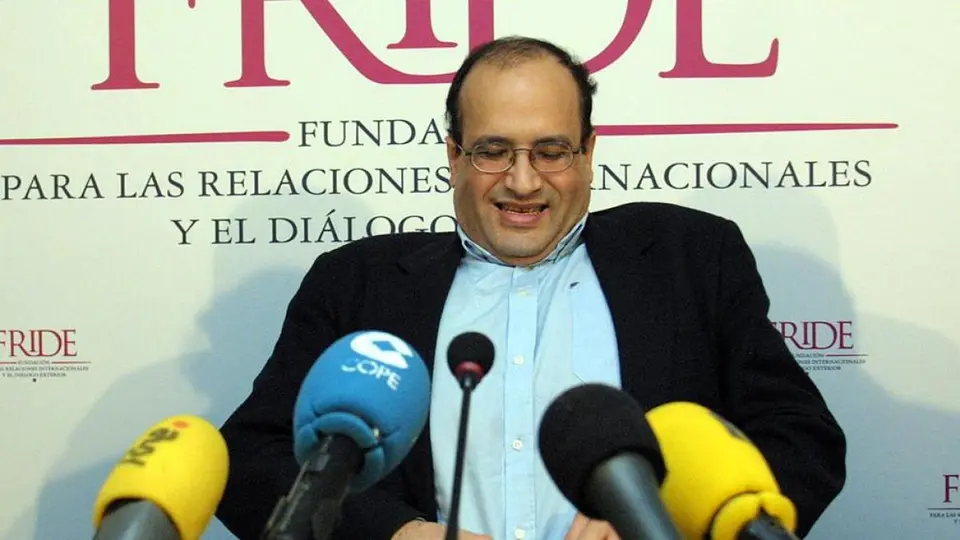
Moroccan journalist Ali Lmrabet arrested in Tangier on charges of defamation and libel
Moroccan journalist Ali Lmrabet was arrested last Sunday at Tangier International Airport upon arrival from Barcelona for a family visit. According to Hespress, the main digital newspaper close to the Moroccan system, the arrest took place due to alleged crimes related to defamation and libel against constitutional institutions.
Lmrabet is considered one of the most prominent voices critical of the regime of King Mohammed VI, and has lived in voluntary exile in Barcelona since 2005, though his legal fate remains unclear. After being transferred to Casablanca the same day, he was placed under security detention to answer several charges related to alleged defamation and libel crimes stemming from his journalistic work, according to what the public prosecutor told the official Moroccan news agency MAP.
The Moroccan Human Rights Association (AMDH) called on Monday for his release, demanding that "cases relating to publications and journalism not be turned into criminal cases", considering this to constitute "a serious violation of press and freedom of expression, and a threat to progress made in the field of human rights".
Morocco currently ranks 120th out of 180 countries in the global press freedom index of Reporters Without Borders (RSF), reflecting the limited scope available for journalism in the country. Although the Moroccan Constitution guarantees freedom of expression, journalists continue to face legal proceedings and prison sentences when addressing issues considered particularly sensitive, such as the monarchy, Islam, and the Western Sahara. Lmrabet has covered all these topics and personally borne the consequences.
Ali Lmrabet is known for his extreme directness and is a controversial figure. He worked as a columnist for El Mundo in Morocco and has written for newspapers such as El País, Middle East Eye and Politics Today, as well as collaborated with this same publication. His active YouTube channel, which has more than 120,000 subscribers, has become a reference point for denouncing corruption within the monarchy and Moroccan political establishment, and for calling for greater press freedom.
The latest video he posted just three days before his arrest was filled with comments from Moroccan followers praising his frankness. In it, the journalist and former diplomat refutes a series of statements made during a seminar led by Moroccan Socialist politician Nabil Benabdellah.
In another video, the journalist announced he was preparing a documentary comparing the salaries of European heads of state with the salary received by a former Moroccan prime minister, pointing out that the latter far exceeds them despite his country having a lower income by many times over.
This is not the first time Lmrabet has become a target of the Moroccan authorities. In May 2003, he was sentenced to four years in prison — later reduced to three — on charges of "insulting the person of the king" and "harming the monarchy". After a hunger strike lasting seven weeks, he received a royal pardon from Mohammed VI in 2004 and was released.
However, just one year later, he was brought before the courts again due to statements made in an interview about displaced persons from the Western Sahara, which contradicted the official Moroccan narrative. In 2005 he was convicted of banning his two satirical magazines "Douman" and "Douman" for ten years.
In a statement published Tuesday, Reporters Without Borders (RSF) called on Moroccan authorities to release him, considering that "the arrest of Ali Lmrabet is deeply concerning and embodies, once again, the use of the judicial system to silence critical voices".
The Catalan journalists' union also called on the Moroccan authorities to "clarify Ali Lmrabet's legal situation immediately, ensure all his legal rights, and allow him to return quickly to his home".
Source: La Vanguardia
Source: Google News ES — Crime (es)