Leipzig as a beginning: Russia escalates sabotage operations against NATO
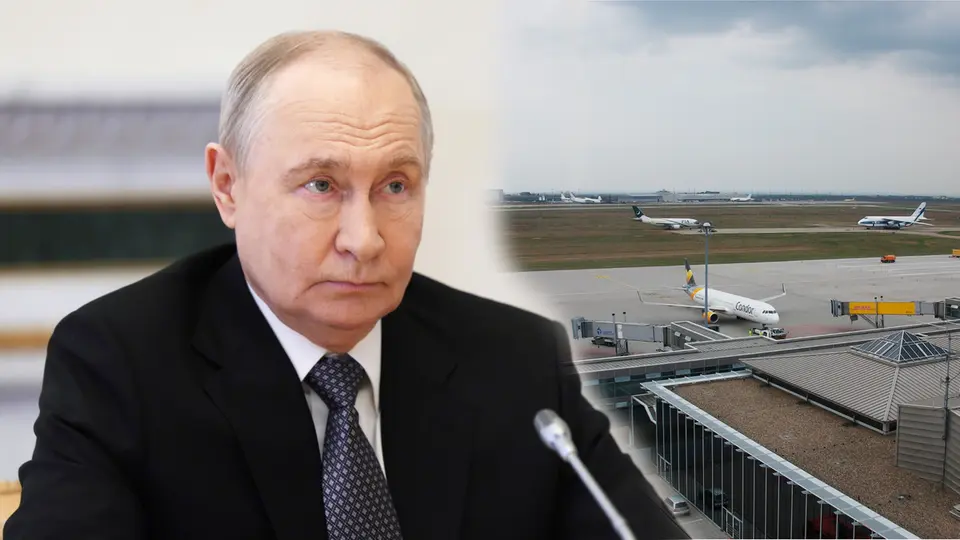
A failed drone attack on Leipzig airport was the first stage of a broader Russian sabotage campaign against NATO countries, managed directly by Putin, according to findings by intelligence agencies.
Leipzig as a beginning: Russia escalates sabotage operations against NATO
A failed attack on Leipzig airport marked the beginning of intensified sabotage operations against NATO countries, directly managed by President Vladimir Putin. Such information was conveyed by representatives of European authorities and American intelligence agencies, cited by Wall Street Journal — reports polsatnews.pl.
According to reports, the operation at the airport stemmed from mounting frustration in the Kremlin. Sources indicate that the cause is a lack of progress in ground fighting and negotiations with the United States, which failed to persuade Ukraine to accept the concessions demanded by Putin.
Since the attack in Leipzig, European countries have recorded a sharp increase in operations in the "grey zone". In August, companies producing drones in Estonia and Skarżysko-Kamienna were attacked. The authorities of Slovakia reported a thwarted attack on a Ukrainian company operating on their territory. At the same time, sabotage of Starlink stations and drone attacks on merchant ships in the Black Sea near the waters of NATO member states — Bulgaria and Romania — were observed.
Behind the operations is a unit of Russian military intelligence (GRU) known as the Special Tasks Service (SSD), headed by Colonel General Andrey Averyanov. His agents — according to Western sources — have links to assassinations, poisonings and bombings across Europe.
At least three drones filled with military explosive material and equipped with German SIM cards enabling remote control were used in the airport attack. German investigators revealed that communications led to servers previously used by the GRU.
Oleg Levushkin, recruited by the GRU after a conviction, coordinated the logistics in Leipzig. He was supposed to command several Belarusian agents who transported explosives across the border hidden in food tins, assembled drones and deployed them for attacks. Serbia was used as a logistics hub for the network. Serbian authorities arrested seven suspects, including a person with Serbian and Russian citizenship.
"According to investigators and intelligence officials, this attack was part of a broader operation aimed at deploying agents, explosives and weapons across Europe in order to strike targets supporting Ukraine and cause chaos," Wall Street Journal quotes.
Friedrich Merz, German political leader, warned earlier in the month: "Russia is waging war against Europe. No longer just against Ukraine, but also against us". European leaders, alongside public warnings, are discussing ways to respond to the threats.
Secretary of State Marco Rubio indicated that the escalation of the conflict could spread to other NATO countries and "quickly transform the war between two countries into a much wider and far more dangerous conflict in the region".
Russia denies involvement in sabotage operations. Putin responded to Berlin's accusations regarding the airport attack tersely: "where is the evidence?".
Source: Google News PL