Cocaine hidden in steaks exposes drug-trafficking network across four Portuguese prisons
The Criminal Police have dismantled a drug-trafficking network active in correctional facilities in Guarda, Coimbra, Viseu and Lamego, with 24 defendants.
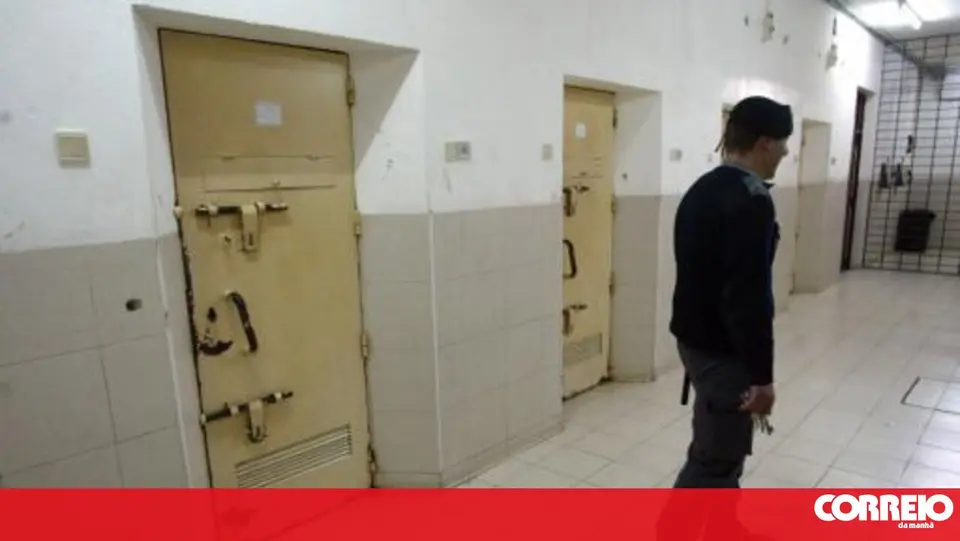
Cocaine in cooked steaks exposes prison network with 24 defendants
The discovery of cocaine concealed in cooked steaks led to the dismantling of a drug-trafficking network operating in four Portuguese correctional facilities, according to reports from Correio da Manhã. The operation, conducted by the Criminal Police of Guarda, resulted in the identification of 24 defendants — 18 prisoners and six persons at liberty.
In April 2025, prison guards intercepted the drugs in the possession of a relative of a prisoner at Guarda Prison. The narcotics were hidden in steaks and were intended for the head of the network, a man around 40 years old who was serving time for trafficking at that facility.
The suspect has a criminal history that crosses borders: he had previously served time for drug trafficking in Peru, a country where he maintains a wife and children. After returning to Portugal, he resumed illegal activity. Arrest by the Criminal Police and a sentence to active imprisonment did not interrupt the scheme — the man continued to coordinate trafficking from within the prison.
To get drugs into the correctional facilities, the network head relied on a network of relatives and recruiters on the outside. Profits obtained from the sale of narcotics were subsequently transferred, by bank transfer, to the defendant's family in Peru.
The investigation revealed that the network was not limited to Guarda Prison. The correctional facilities in Coimbra, Viseu and Lamego were equally integrated into the distribution scheme.
Following the dismantling of the network, the Prison Services proceeded to transfer several prisoners involved, including the network head himself, to other facilities. The mother and current girlfriend of the main defendant are also among the 24 defendants in the case.
Source: Correio da Manhã