Former government official and ex-administrator face trial over road concession scheme
Paulo Campos and Rui Manteigas have been committed for trial in Faro, accused of being part of a scheme that harmed the State in road PPP agreements.
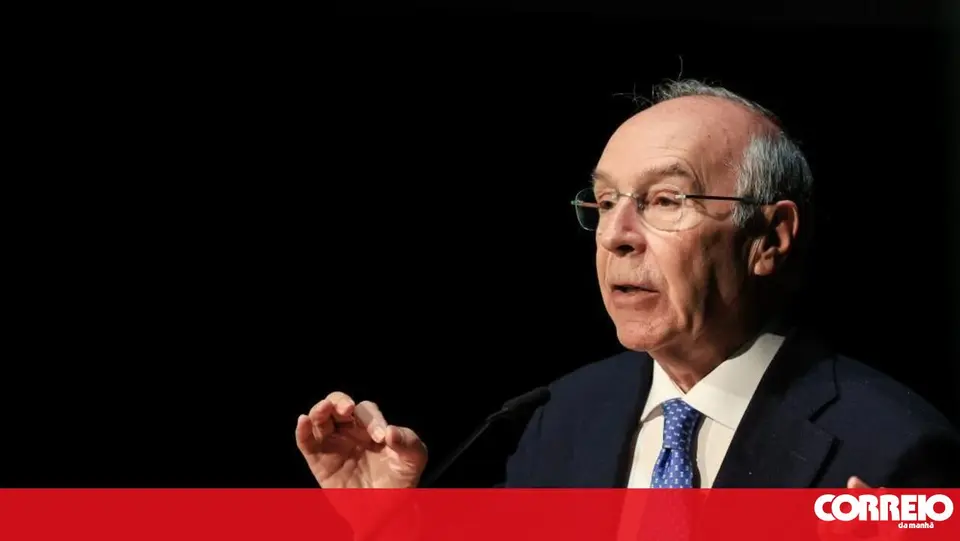
Former government official and ex-administrator face trial over road concession scheme
A judge at the Central Criminal Court of Instruction decided this week that Paulo Campos, former Public Works minister, and Rui Manteigas, former director of concessions at Estradas de Portugal, should be tried in Faro. Both are charged with participating in an economic interest grouping.
The case dates back to October 2011, when a television commentator raised concerns about possible irregularities in the renegotiation of Public-Private Partnership agreements in the road sector. Following these statements, a prosecutor in the Public Prosecutor's Office in the Algarve region opened an investigation.
Over more than a decade, the inquiry passed through various structures of the prosecution service. It was only in December 2021 that charges were formally filed against the three suspects: Paulo Campos, Carlos Costa Pina and Rui Manteigas.
Almost four years later, the criminal instruction judge chose not to commit Carlos Costa Pina, former Finance minister, to trial, citing lack of robust evidence. The other two defendants were committed to stand trial before the Faro court, the location where the facts initially came to light.
The magistrate's decision also excluded the charge of favouring the company Ascendi. This was due in part to the invalidation of a financial report produced by an expert who had previously testified as a witness in the same proceedings—a situation prohibited by law.
Regarding subconcessioning contracts signed between 2007 and 2009—covering routes such as Douro Interior, the Algarve coast, Transmontana, Baixo Alentejo and Litoral Oeste—the judge considered there were grounds to commit the two suspects to trial. The prosecution argues that they created a mechanism to evade control by the Court of Audit, introducing into the agreements the concept of "contingent compensations". This formula is said to have generated transfers of money from concessionaires to the State, but with adverse consequences for public finances.
Carlos Costa Pina, whose case was archived, maintained that the measures he adopted in the renegotiation brought financial benefits to the public treasury.
Source: Correio da Manhã
Source: Correio da Manhã