Fraud in European funds in Porto: eight people and two companies accused over €1.2 million
The Public Ministry of Porto has accused eight individuals and two companies of fraud in obtaining European subsidies and money laundering, in a scheme that is believed to have generated more than €1.2 million in illicit advantage.
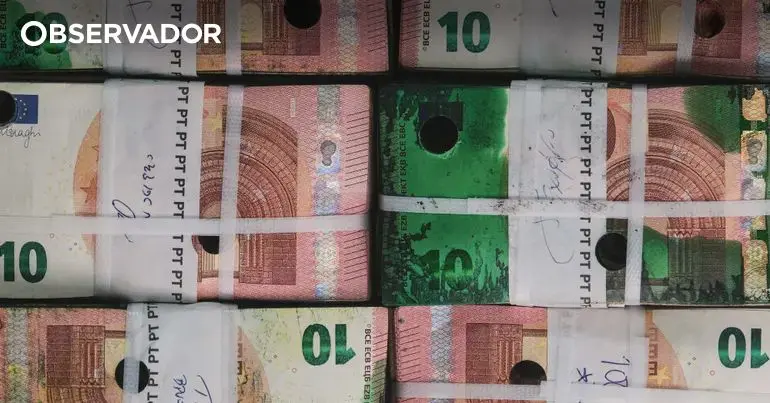
Fictitious invoicing scheme defrauded European funds by over €1.2 million
The Public Ministry of Porto brought charges against eight individuals and two companies for the crimes of fraud in obtaining European subsidies and money laundering, in a case believed to have generated illicit advantages exceeding €1.2 million. The announcement was made this Monday, according to Observador.
According to the Regional Public Prosecutor's Office of Porto, the charging decision is dated 22 October and covers a total of ten defendants, including the two companies. Both were based in Maia, in the Porto district, and were used to apply for two projects financed by European funds — one managed by Turismo de Portugal and another by IAPMEI – Agency for Competitiveness and Innovation.
The defendants, acting in a concerted manner, are believed to have set up additional companies — three of them based in Spain, Ireland and Albania — and used other existing ones to establish a fictitious invoicing circuit. This circuit served to document false expenses and support reimbursement requests to the managing entities.
The charge also indicates that the suspects "fabricated capital increases for the applicant companies, leading the managing entities to believe that they had their own capital to cover expenses not included in the financing".
The facts are believed to have occurred between 2010 and 2013. The total value of undue patrimonial advantages was set at €1,265,755.78, corresponding to the full amount of the financing granted. The Public Ministry requested that this sum be declared forfeited to the State and also sought the conviction of the defendants in accessory sentences of deprivation of the right to subsidies or subventions.
Source: Observador