Government examines failures in transmitting alerts about MAL group to Montenegro
Executive pledges to review procedures for informing top state officials after the Prime Minister learned through the media of attack plans by the far-right Lusitanian Armillary Movement group.
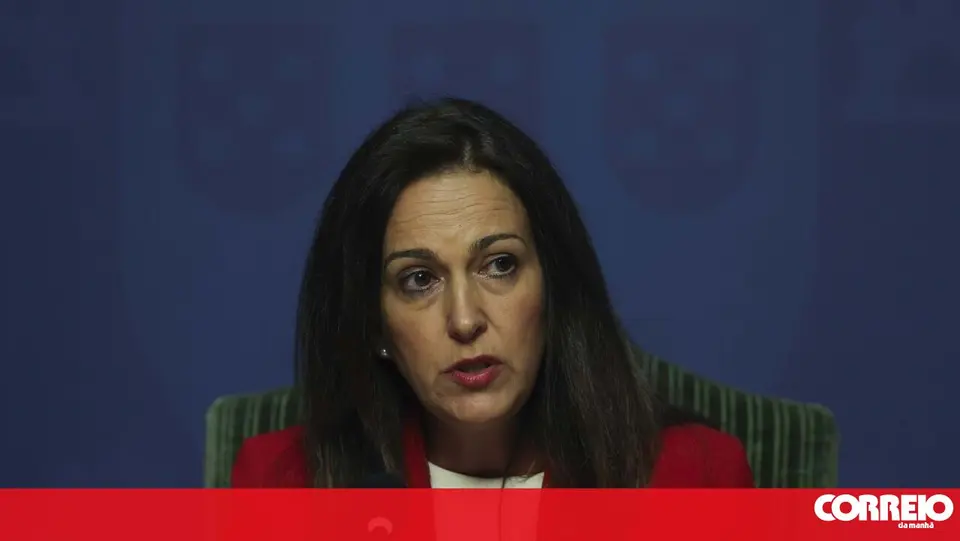
Government examines failures in transmitting alerts about MAL group to Montenegro
The Portuguese executive has committed to reviewing communication channels between security forces and political leaders, after Luís Montenegro stated that he only learned through the media of plans to attack by the neo-Nazi Lusitanian Armillary Movement (MAL) targeting his home and family members.
The Justice Minister, Rita Alarcão Júdice, confirmed that she had met with representatives of the Public Prosecutor's Office and the Judicial Police to discuss the incident. "All those who have responsibilities in this area will conduct an assessment to ensure that, in the future, when there is a need to alert, warnings reach their intended recipients," she stated to the press at the end of a commemorative ceremony in the Assembly of the Republic.
The minister expressed solidarity with the position of the head of government, emphasising that "no one remains indifferent" in the face of threats involving explosive devices and military weapons. "We must reflect on this. We are doing so and we can always improve," she added, without wishing to point fingers at police or judicial institutions.
The case dates back to the formal charge brought by the Public Prosecutor's Office on Thursday, where nine individuals — including a PSP officer posted to the Municipal Police in Lisbon — are answering charges of terrorism offences. The investigation concluded that the far-right collective was preparing attacks against political figures, political parties, media professionals and university students, and had even drawn up a plan to target the Prime Minister's official residence.
Montenegro, when questioned on the matter, refused to make direct criticisms of the entities, preferring to draw attention to "the way in which the information became known to the targeted individuals". The head of the executive argued that, in the face of risks of this magnitude, the targets should be contacted directly, regardless of the position they hold.
Source: Correio da Manhã
Source: Correio da Manhã