Slovak government bans pink synthetic drug dispensers
The government approved new rules prohibiting the sale of psychoactive substances through dispensers. The change will take effect from January.
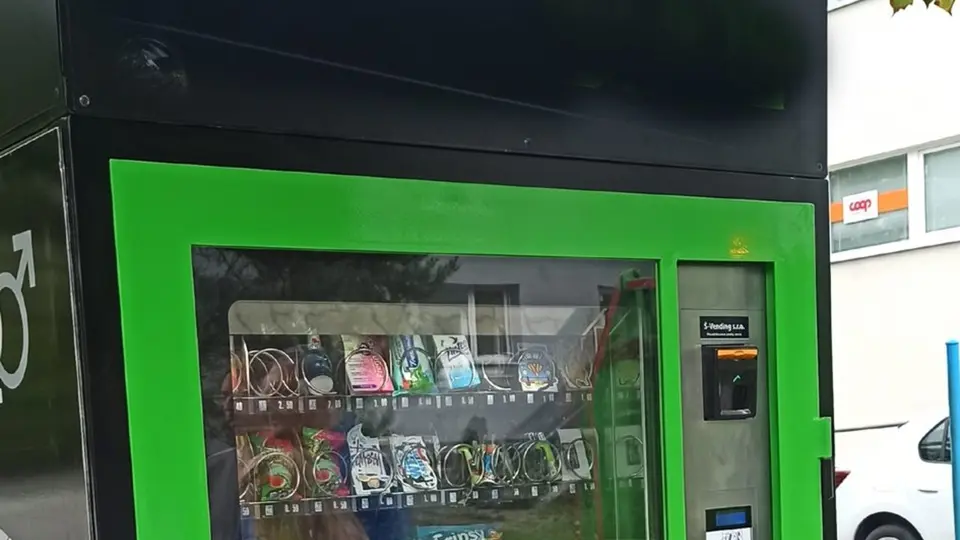
End of synthetic drug dispensers: government approves new rules
The Slovak government has approved new rules aimed at removing pink vending machines selling synthetic drugs from streets and shopping centres, according to Google News SK — Crime (sk). The legislation ends the previous practice whereby the banning of one substance was immediately followed by the arrival of a chemically similar substitute.
Sellers have so far exploited loopholes in the law: when authorities banned a specific compound, manufacturers introduced another molecule that did not yet fall under any prohibition. While the relevant institutions managed to respond, months passed. Through colourful packaging and attractive names, the dispensers targeted the general public, including minors.
"They work by trying to chemically create a molecule that finds a loophole in the legislation," explained Interior Minister Matúš Šutaj Eštok (Hlas-SD).
The new legislation shifts the approach from banning individual substances to a blanket ban on entire chemical groups. "Instead of banning one substance, we are going down the path of banning within seven generic groups of chemical substances," said Health Minister Kamil Šaško (Hlas-SD). At the same time, police powers are being expanded: "It will give the Police Corps competences to act more forcefully in this case," added Šutaj Eštok.
Sellers label the substances as collector's items, for which the composition does not need to be listed. Customers — including children — therefore have no information about possible effects. Pavol Ščasný, director of NGO Storm, warned: "When I don't see the composition and I don't know how to behave after I inhale once, twice, three times. I don't know what it will do to me."
Pressure for change has also been exerted by local government authorities. Jozef Božik, chair of the Association of Towns and Municipalities of Slovakia, demanded clear rules: "We want to clearly define the rules for sellers of collector's items, where it is not possible to list a collector's item without stating what it is composed of."
Doctors are also recording the consequences of the free availability of these substances. Jakub Gécz, head of the Clinic of Paediatric Emergency Medicine at the National Institute of Children's Diseases, warned: "We see children who are often not of sound mind. They are in such a state and their consciousness is so affected that they pose a risk not only to themselves, but also to those around them."
The change will take effect only from January, which is criticised by the opposition. Michal Šipoš, head of the parliamentary club of the Hnutie Slovensko movement, accuses the government of a lengthy process: "Suddenly we have until 2027 for the business of these drug dealers to continue, for as many drugs as possible to be sold in Slovakia."
The new legislation is based on Germany's experience. Minister Šaško expects unanimous approval in parliament, including support from opposition parties.
Source: Google News SK — Crime (sk)