Family of Facundo Cuadrado sues parents of shooting suspect in Tacuarembó
The family of the young man killed in 2022 initiated a civil lawsuit against the parents of Santiago, who fired the weapon. The first hearing took place this week.
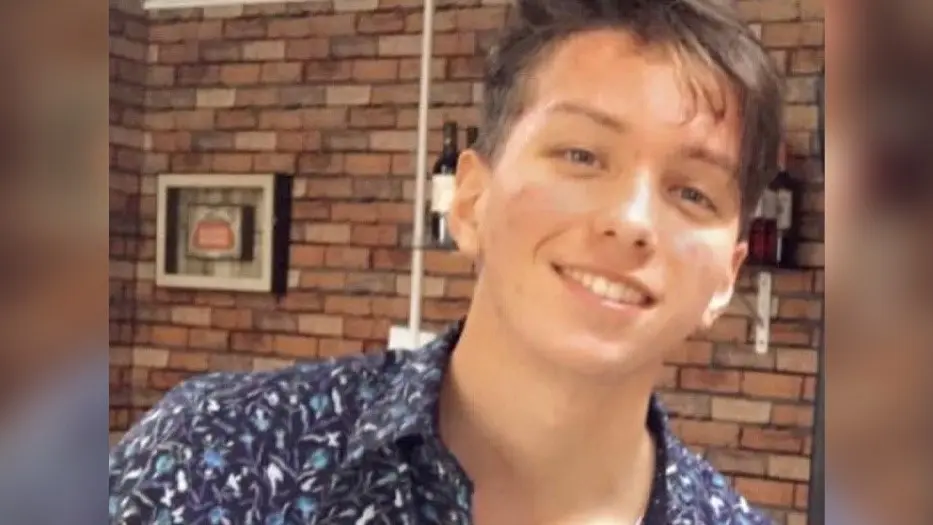
Civil lawsuit over Facundo's death: the parents of the shooting suspect in the dock
The family of Facundo Cuadrado filed a civil complaint against the parents of Santiago, the young man who fired the compressed air gun that killed Facundo in the early morning of 20 February 2022, at the Iporá beach resort in the Tacuarembó department. According to montevideo.com.uy, the first hearing of the civil lawsuit took place last Wednesday.
The incident occurred around 4:00 a.m., when a group of young people were celebrating having completed their secondary education on a farm in the area. Santiago and another friend left to find something to drink. Upon returning, Santiago separated from the group and, half-hidden in a dip in the terrain, fired at least three shots with a Crossman Shockwave model CS1SXS with telescopic sight. One of the projectiles struck Cuadrado's body, who suffered brain death and died shortly afterwards.
At a criminal hearing on 7 July 2024, Santiago justified his action with these words: "It was a joke, I don't know if it was harmless, I don't know, but it was a joke," he repeated at various points during that hearing.
Responsibility of the parents as guardians of the weapon
The civil complaint, to which montevideo.com.uy had access, establishes that the young man's parents "bear responsibility" for "being material guardians of the homicidal weapon". The document notes that the weapon arrived at the home as a gift intended for Santiago's father and that the adults "provided him with technical knowledge for the use of the weapon, encouraging its use", despite the young man being a minor at the time of the events.
The lawyers for the Cuadrado family, César Castro and Karen Pintos, have repeatedly stressed that the civil suit does not seek solely economic compensation, but also to close chapters and pursue the paths that Uruguayan justice makes available.
The civil proceeding was opened after the defendant rejected both prior conciliation and any out-of-court settlement.
Santiago's defence version
In his response to the complaint, Santiago's defence contends that the idea of firing the weapon arose from the other young man who accompanied him, who proposed playing a prank on their friends "to scare them with the noise". According to that account, "they decide to separate and have Santiago remain further back and fire some shots to frighten their friends who had remained at the camp".
The defence statement denies that Santiago deliberately aimed at his companions' bodies or that he used the weapon's precision sight. "There was hardly any light, only that from the campfire which was about 25 metres away," the document argues.
The lawyers also emphasise that the young man was not under the effects of drugs or alcohol, as one of those present that night declared to the authorities. In the defence's view, Santiago's reaction after the shot demonstrates that "he could never have foreseen that he could harm his friends" and that Cuadrado's death "never presented itself as a possible outcome". They also highlight that there were no prior conflicts of any kind between Santiago and Facundo.
The criminal process: conviction confirmed but not final
On the criminal side, the court has already issued a sentence for culpable homicide, confirmed on second instance. However, the ruling has not become final: the family of the shooting suspect lodged a cassation appeal and the case now awaits a decision from the Supreme Court of Justice.
Incidents at the first civil hearing
During Wednesday's hearing, the defendant requested that Santiago's medical records be included as evidence, with the aim of establishing the psychological harm he allegedly suffered as a result of the legal proceedings and the harassment he experienced. He also requested the inclusion of at least five witnesses to support this argument.
The defence of the Cuadrado family, headed by César Castro, opposed both requests. The judge hearing the case agreed with that position and ruled that the proposed evidence was "impertinent" for being "unrelated to the object of the case as defined by the parties without objections at this hearing". Santiago's state of health, the magistrate concluded, does not form part of the object of the civil lawsuit.
Source: Google News UY — Montevideo