Crack cocaine cases up 594% in Ireland: Dublin drug counsellors declare crisis
Crack cocaine now accounts for one in five new addiction service cases in Ireland. Dublin counsellors say a heroin shortage has driven a sharp surge in crack use.
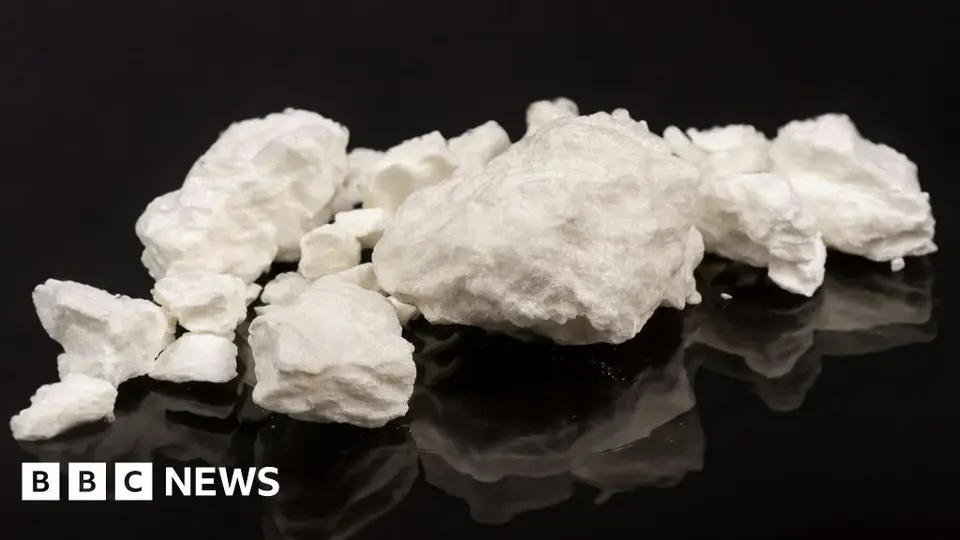
Dublin's crack cocaine surge: a 594% rise in treatment cases since 2017
The number of people in the Republic of Ireland seeking treatment for crack cocaine use rose by 594% between 2017 and 2023 — from 173 cases to 1,201 — according to figures from the Health Research Board (HRB) cited by bbc.com. Dublin drug counsellors say the city is now in the grip of a crack cocaine crisis.
Daithi Doolan, from the South Inner City Drug and Alcohol Partnership, said the scale of the problem had become impossible to ignore.
"It's actually a crisis," Doolan said. "It's happening at the school gate in the playground."
Doolan, who also serves as a Sinn Féin councillor, warned that communities could no longer cope. "The drug-related intimidation is affecting individuals, families and whole communities are being held to ransom by the drug dealers," he said.
Crack cocaine — a smokable, solid form of cocaine typically sold as small rocks — has increasingly taken hold in areas of Dublin that previously struggled with heroin. Those working at the frontline of addiction services attribute the shift partly to a heroin shortage linked to geopolitical changes in Afghanistan, which they say drove users toward crack as an alternative.
In total, 4,923 people sought drug treatment in 2023 with cocaine — in either powder or crack form — listed as their primary problem.
One user, identified only as John to protect his identity, described a gradual slide into addiction after arriving in Dublin in his twenties.
"I kind of slipped from maybe taking a few beers, to taking a couple of ecstasy, to taking some other stuff, and then I ended up on heroin and crack cocaine," John said.
Women face distinct barriers to treatment
HRB data showed the number of females seeking treatment for cocaine use climbed from 284 cases in 2017 to 1,387 in 2023. Where crack cocaine was recorded as the main problem, nearly half of those seeking help were women, just over one in 20 were employed, and the median age was 39.
Cheryl Kelly, an addiction counsellor at the Donore Community Drug and Alcohol Team, said women face a separate set of challenges that generic services are not equipped to address.
"Women would find themselves in situations where they may be engaging in forced sex work, or they might be afraid of social services, and the women face an awful lot of shame and stigma in and around their drug use," Kelly said.
She said the fear of encountering the same people who had intimidated them in the community was a direct barrier to women accessing mixed-gender services.
"Women won't engage in services if they feel like the man that's been intimidating them down at a shop on Friday is also going to be in the same service seeking support, so there is definitely a need for female-only spaces where women can feel safe."
Kelly said a pilot programme for women had been set up through her team specifically to address those needs.
No social border to addiction
Alan Kinsella, a case worker at Coolmine Therapeutic Community in Dublin city centre, said demand for the centre's cocaine-specific programme had been consistently high.
"When a programme which is so specific to a drug which is busy and full, it kind of tells the story of the scope of what cocaine is like, particularly in Dublin city centre," Kinsella said.
He added that cocaine use crossed all social lines. "We see people presented with cocaine as an issue from all walks of life, and people who have jobs — there is no kind of differentiation between the people that we see and the drug that they're using."
Source: Times of Malta