Murder Confession Coerced, Says Defence in Ruddock Trial at Home Circuit Court
Defence attorney Anthony Williams argues that Andre Ruddock's on-camera murder confession was forced by a detective at the church where victim Taneka Gardner was killed.
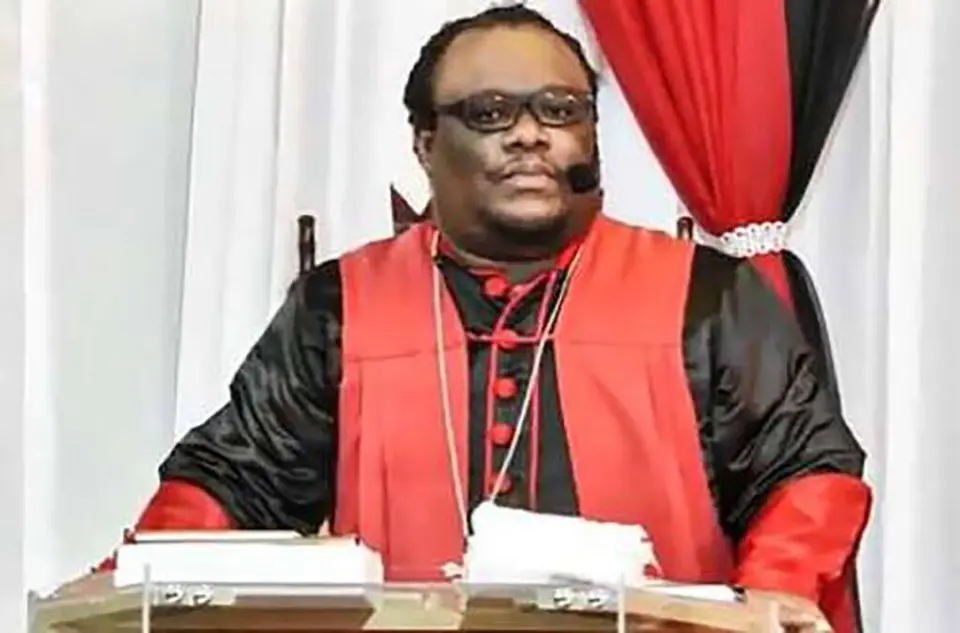
Ruddock's Murder Confession Challenged in Kingston Court
Defence attorney Anthony Williams argued on Thursday in the Home Circuit Court in Kingston that his client Andre Ruddock — accused of murdering 39-year-old Taneka Gardner at Pathways International Kingdom Restoration Ministries in Albion, St James in 2021 — was coerced into confessing by a detective, the Jamaica Observer reports.
Video footage played in court showed a composed Ruddock at a St James police station admitting to cutting Gardner's throat. The same recordings captured him responding to 42 questions during a subsequent question and answer session. Despite the composed demeanour visible in the footage, Williams contended that the confession was not voluntary.
Alleged Intimidation at the Church
Williams put it to the detective — now a corporal, but a constable at the time of the incident — that before Ruddock was transported to the police station, the officer had physically intimidated him while he was still in handcuffs at the church. The attorney alleged the detective had placed an arm around Ruddock's waist, slapped him, struck him in the chest, and warned him that a judge would be more inclined to believe a police officer over a suspect.
Williams further suggested it was the detective who persuaded Ruddock to admit to the killing. The officer rejected all of those assertions outright. Gardner's death was said to have taken place during a human sacrifice ritual.
Recording Left Running During Private Session
A second line of attack focused on procedural breaches. Williams highlighted that, under proper protocol, Ruddock was entitled to a private consultation with two justices of the peace before any statement was recorded. He argued that the sequence shown on the videos was incorrect: the recording devices, he said, should have been switched off before that private consultation took place — not afterwards.
Under cross-examination, the detective confirmed that two justices of the peace had indeed requested a private moment with Ruddock, and that he and a detective sergeant then stepped outside and closed the door. He also confirmed, however, that the recording device was left running throughout.
"When you say the camera was on, does that mean it would capture the audio as well?" Williams asked.
"Yes it would," the detective answered.
Williams pressed the witness on whether he had deliberately left the camera on. The detective said he had not, adding: "I thought the justices and Andre Ruddock would have spoken already."
Detective Denies Breach of Protocol
Williams pointed out that the officer had previously told prosecutors he had tested the camera beforehand to confirm it was functioning properly. He asked whether it was therefore the detective's responsibility to ensure both video and audio were switched off before leaving the room.
"I did not see it as an issue at the time," the detective replied.
When Williams asked why the recording was left running if the session was meant to be private, the officer said: "We did not go back to rewatch what was happening. We simply continued the procedure."
Williams then asked the detective whether leaving the recorder on during the private consultation amounted to a breach of the Jamaica Constabulary Force's motto — to serve, protect and reassure. The detective did not accept that characterisation. Trial Judge Leighton Pusey intervened at that point, instructing Williams to limit his questions to those grounded in fact and law.
The murder trial continues in the Home Circuit Court in Kingston.
Source: Jamaica Observer