Cornell Gang Rape Case: New York AG Takes Over After Police Declined Charges
New York Governor Hochul appointed Attorney General Letitia James as special prosecutor in the Cornell fraternity rape case. The 2024 incident sparked backlash over law enforcement's handling.
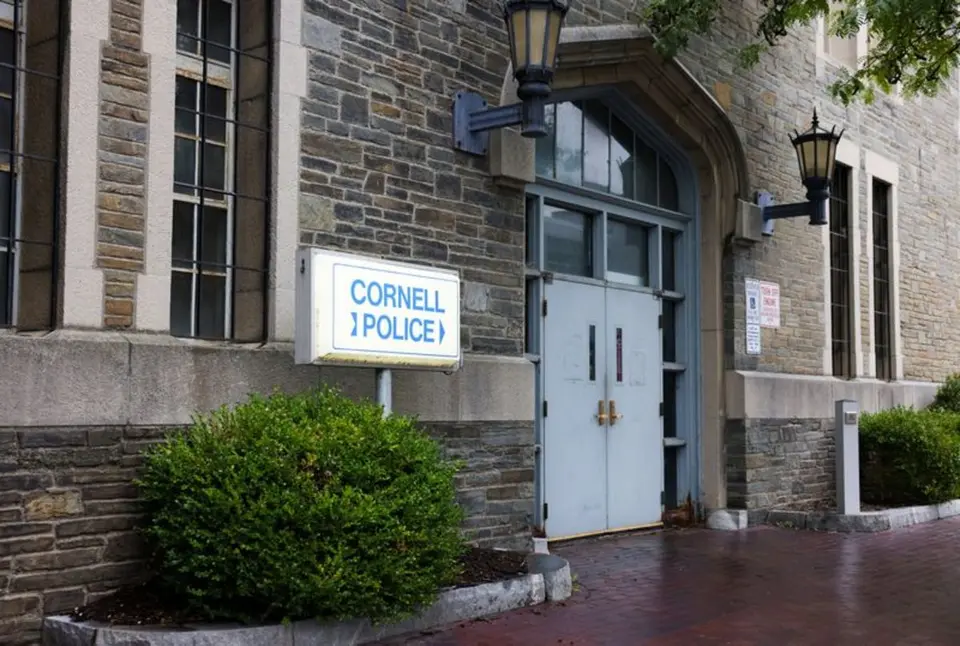
New York AG Takes Over Cornell Rape Investigation After Initial Charges Were Dropped
New York Governor Kathy Hochul has appointed state Attorney General Letitia James as special prosecutor to lead the investigation into an alleged gang rape at Cornell University, yahoo.com reports. The move follows a civil lawsuit filed in mid-September by the alleged victim, who uses the pseudonym Jane Doe, naming seven fraternity members, the Chi Phi fraternity, Cornell itself, a local bar, and her own sorority as defendants.
Hochul said she was "deeply disturbed" by how Cornell police and Tompkins County District Attorney Matthew Van Houten handled the case after the woman, then 20 years old, first reported the assault to police in 2024. "At every turn, she was failed by people and institutions with an obligation to protect her," Hochul said at a press conference announcing the appointment.
What the Lawsuit Alleges
According to the complaint, Jane Doe visited the Chi Phi fraternity house on October 19, 2024, to meet a friend who was a member. Fraternity members allegedly gave her alcohol, marijuana, and ketamine — an anesthetic capable of causing hallucinogenic effects — before sexually assaulting her after she became incapacitated.
The lawsuit includes a screenshot of a group text chain in which one fraternity member crudely urged others to join in the sexual activity.
What the Investigation Revealed
CBS New York obtained a transcript of Jane Doe's police interview, in which she told investigators unequivocally that she had been raped. "I can say with 100% confidence I was raped," she said in mid-November 2024, several weeks after the incident. That statement, however, was not included in the shorter sworn affidavit forwarded to Van Houten's office.
The New York Times obtained more than 1,000 pages of material from Cornell's internal investigation. Those documents show that the woman's understanding of events evolved over time; she told police it took her a while to fully recognize that she had been gang-raped.
Van Houten has defended his office's 2024 decision not to prosecute. The sworn statement his office received, he said, "described her participation in drug use and sexual conduct as voluntary, conscious, and consensual." He also blamed Cornell for failing to provide him "the full picture" of the case.
A Legal Loophole Under Scrutiny
The decision not to charge was driven at least in part by New York's narrowly written sexual assault statutes, which can make rape charges harder to pursue when a victim willingly consumed alcohol or drugs beforehand. Several New York lawmakers this week renewed a longstanding push to revise those statutes to close what they describe as a potential loophole that could allow perpetrators to avoid prosecution.
Jane Doe's attorney, Thomas Giuffra, has criticized prosecutors for not investigating more thoroughly in 2024, including by speaking directly with his client. Van Houten, acknowledging growing public pressure, announced on September 28 that his office had reopened the case and would bring evidence, including testimony from the woman, before a grand jury for possible indictment.
With James now formally designated as special prosecutor, the attorney general's office effectively takes over the investigation from Van Houten.
Cornell's Response and Fraternity Fallout
Cornell has defended its handling of the matter, stating that it launched a comprehensive internal investigation and suspended the Chi Phi chapter, which remains closed. The university says it imposed discipline on the fraternity members involved, including expulsions and other sanctions. A Cornell spokesperson said the school supported James' appointment and welcomed an external review of how it managed the case.
The lawsuit nonetheless claims that Cornell failed to adequately punish the alleged perpetrators and offered some of them the opportunity to reduce their penalties by submitting written essays.
Trey Robb, interim executive director of the national Chi Phi fraternity, said in a statement Wednesday that the Cornell chapter expelled those members understood to have been involved, as did the national organization. "These actions went beyond anything the law or Cornell University required of us," Robb said.
Accused Members Deny Wrongdoing
The New York Times, citing Cornell's internal documents, reported that all of the accused men denied any wrongdoing. Some claimed the sexual activity was consensual; others denied participating. Several, however, did express unease or concern about the encounter, according to the Times.
The case has prompted a broader wave of public discussion about how colleges and law enforcement agencies handle allegations of sexual violence on campus, with students at Cornell among those expressing anger over the institution's response to the episode.
Reporting by Joseph Ax for Reuters; editing by Paul Thomasch, Rod Nickel and Deepa Babington.
Source: NYT US News