Cornell Gang Rape Lawsuit Reignites Campus Sexual Assault Debate Nationwide
A lawsuit alleging Jane Doe was gang-raped by seven Cornell students in 2024 has renewed outrage over campus sexual assault. A NY prosecutor has reopened the criminal investigation.
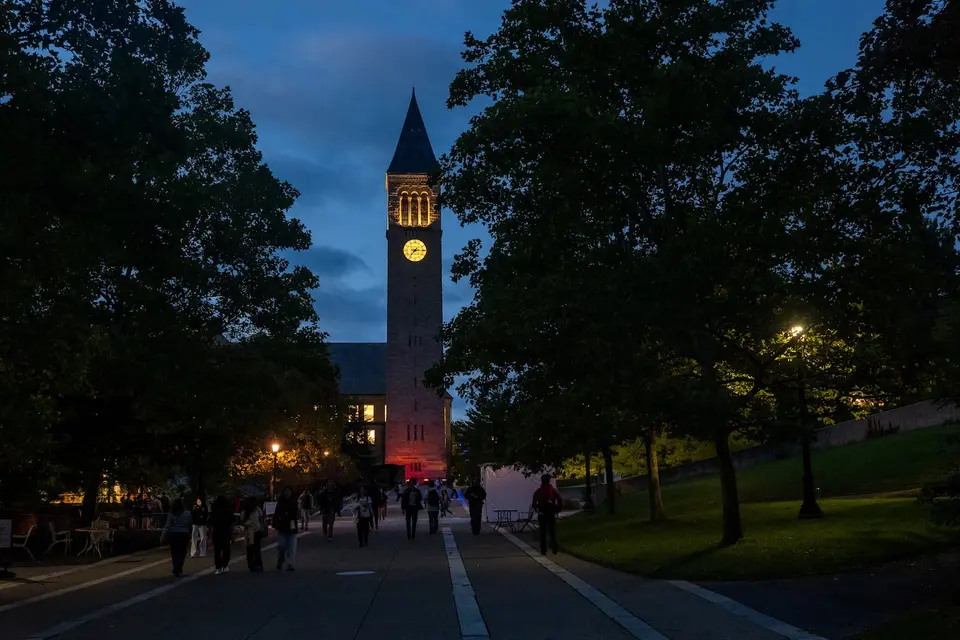
Cornell Gang Rape Case Reopened, Campus Assault Debate Reignites
A criminal investigation into an alleged gang rape at Cornell University has been reopened, a New York prosecutor announced Monday, according to bostonglobe.com. The case has set off a wave of outrage across college campuses and reignited a long-running national debate over how universities handle sexual assault.
Earlier this month, a former student identified as Jane Doe sued Cornell, alleging she was sexually assaulted by seven students at a fraternity house in 2024 after being given alcohol and drugs. The Ivy League institution, she claims, failed both to protect her and to properly sanction those responsible. Cornell said it completed a Title IX investigation, expelled two students and penalized the others, but added it could not publicly comment on further disciplinary action.
Jane Doe's lawsuit is filed under New York state law rather than the federal Title IX statute — a legally notable choice, said Nancy Gertner, a senior lecturer at Harvard Law School and a retired federal judge. The decision signals that her attorneys do not trust the federal system to protect survivors, Gertner said, adding: "The bigger picture is that the 800-pound gorilla in sexual harassment investigations — which was the federal government — has been silenced here."
Federal Rollbacks Compound the Pressure on States
The case landed at the same moment President Trump's Department of Education announced it would scrap Biden-era Title IX rules governing how schools must respond to sexual misconduct. The replacement framework sets a stricter definition of sexual harassment and expands due process protections for the accused.
The Trump administration has also been dismantling the Education Department more broadly, transferring its civil rights office to the Justice Department. That has left "pending sexual violence complaints to languish with no transparency about what they plan to do with those complaints," said Shiwali Patel, senior director of education justice at the National Women's Law Center.
Diane Rosenfeld, founding director of the Gender Violence Program at Harvard Law School, said the burden now falls harder on individual states. She pointed to legislation in Illinois and California as examples of states that have enacted local laws strengthening sexual violence advocacy and resources on campuses.
"The Conversation Does Go Away"
At campuses across Massachusetts, students, faculty, and administrators are discussing the Cornell case — some openly, others in private. "Generally in classes, people are more hesitant to bring up things that are politically sensitive," said Stella Lei, 22, a Harvard University senior who co-founded Take Back Harvard, a digital archive documenting reports of sexual violence and gender discrimination at Harvard.
Amanda Walsh, deputy director of external affairs at the Boston-based Victim Rights Law Center, described a pattern that predates the current moment. "The problem doesn't go away," she said. "But the conversation does."
In recent years, gender-based violence lost ground in campus visibility to other student movements — from Black Lives Matter to pro-Palestinian protests. Walsh said the Cornell case is starting to redirect public attention: people are asking "Why is this happening?" and looking for answers that range from male loneliness to online misogyny in what she called "the manosphere."
Boston-Area Campuses Respond
At Boston University, junior Reyes Almeida leads sexual assault prevention trainings through the campus chapter of "It's On Us." She said the Cornell news appalled but did not surprise her, describing a culture in which people make jokes about high-profile rape cases. "Making fun of these things actually has effects on rape culture," Almeida said. "People don't really understand that."
Massachusetts law requires both public and independent colleges to conduct a sexual misconduct climate survey of all students at least once every four years. Schools are also required to have Title IX coordinators, though their role "implicitly is to protect the university," said Liz Speakman, executive director of the Boston Area Rape Crisis Center.
Many universities in the city coordinate with the Boston Area Rape Crisis Center, which offers students an independent, off-campus resource for counseling, understanding options, or pursuing charges. "We will support students in those situations and help them navigate the Title IX process as best we can," Speakman said, "and also let them know that this may not be the place where they get justice."
Rates of reporting campus sexual assaults to universities and law enforcement remain "really low," Walsh said. Climate survey results — measuring student awareness of resources and perceptions of campus safety — have held steady. "A lot has changed. A lot of colleges are really trying to get this right," she said, citing greater expertise and investment in responding to sexual violence. "And still, it's not enough."
Social Media Surfaces Older Wounds
The Cornell lawsuit has prompted many women on social media to revisit their own college experiences. Posts have referenced earlier moments of campus activism: a Columbia University student who carried a 50-pound mattress on campus in 2014 to draw attention to sexual assault, and candlelit Take Back the Night marches that date back decades.
"We have to hold these systems to a higher standard," Speakman said.
Source: NPR National