Kickback suspicion at "Klagenfurt Wohnen": 27 suspects, 4.5 terabytes secured
The Klagenfurt public prosecutor's office is investigating 27 suspects for serious commercial fraud at the municipal public utility. House searches at eight addresses yielded 4.5 terabytes of data.
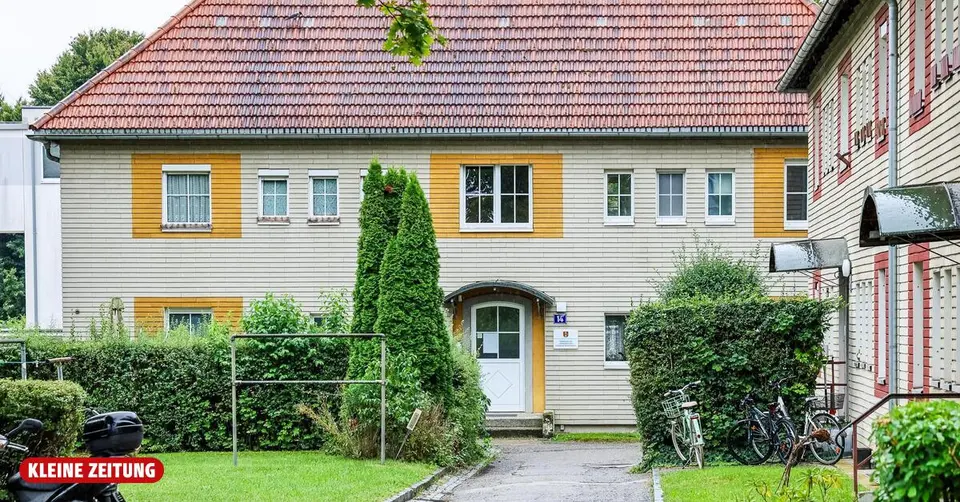
Investigation into kickback fraud at Klagenfurt municipal housing utility
Before sunrise on 12 May, police searched eight addresses in Klagenfurt. Current and former employees as well as professionals working for the municipal public utility "Klagenfurt Wohnen" were affected. According to information from the Kleine Zeitung, the public prosecutor's office is investigating 27 suspects for serious commercial fraud — a case that has meanwhile become one of the largest handled by the office.
The investigation began with events that the Kleine Zeitung first reported on in December 2024: a painting contractor and a civil engineering firm are alleged to have issued invoices for services not provided — at the explicit request of the then head of property management. The presumption of innocence applies.
KPMG audit produces "shocking" result
Around 13,000 invoices arrive at "Klagenfurt Wohnen" annually. The new managing director Gerhard Scheucher therefore commissioned forensic specialists from the audit firm KPMG to conduct a sample audit. The result was "shocking," wrote lawyer Michael Sommer in July to the Klagenfurt public prosecutor's office.
According to the audit, several firms issued false invoices. In most cases, these involved work that was carried out, but only in the following year. Performance periods and documentation did not match the actual work performed, site reports appear to have been drawn up in advance. For the well-known painting firm, work logs with time records are said to exist, even though the documented work never took place.
Budget fraud as motive
The disputed invoices were nevertheless released for payment by property managers. Sommer suspects this was done to exhaust remaining budget funds before year's end. He refers to "budget fraud": had it been known at the town hall that the department was regularly not using its full budget, this would have led to cuts and consequently fewer orders for the contracted firms.
According to Sommer, the suspicion of a kickback system — in which part of a payment flows back covertly to a person involved — is supported by the financial development of the public utility after the change in management: the new managing director improved the result by almost five million euros within a year. Previously, the city had to subsidise the utility with more than two million euros annually; today it operates at a profit. Sommer argues this was achieved not substantially through savings "but through a control system that is meant to prevent the previous corruption".
The public prosecutor's office also states in the case file that "it can hardly be assumed that it was customary in the state capital to demand or accept invoices with incorrect performance periods and incorrect dates as well as factually incorrect time records purely for budgetary reasons".
4.5 terabytes of data secured
"The investigations already relate to the allegations, although criminal law does not recognise the term budget fraud. We are investigating for fraud," said prosecutor Markus Kitz. During the house searches and account seizures, 4.5 terabytes of data were secured — converted to PDF documents of 250 kilobytes, this equates to approximately 18 million files that must now be evaluated. A conclusion to the proceedings is not foreseeable.
Neither the public utility nor the public prosecutor's office can quantify how high the possible damage is. The possible scale is evident from the fact that the case was to be transferred to the Economic and Corruption Prosecutor's Office (WKStA), which is responsible for cases involving damage of five million euros or more. The management of "Klagenfurt Wohnen" declined to comment on developments when asked.
Source: Kleine Zeitung