Video of Marset and seized mobile phones form basis of charges against prosecutor Mariaca
The Prosecution has built its case against Attorney General Róger Mariaca on a video of drug trafficker Marset, data from the Financial Investigation Unit and seized money. It is requesting six months of preventive detention.
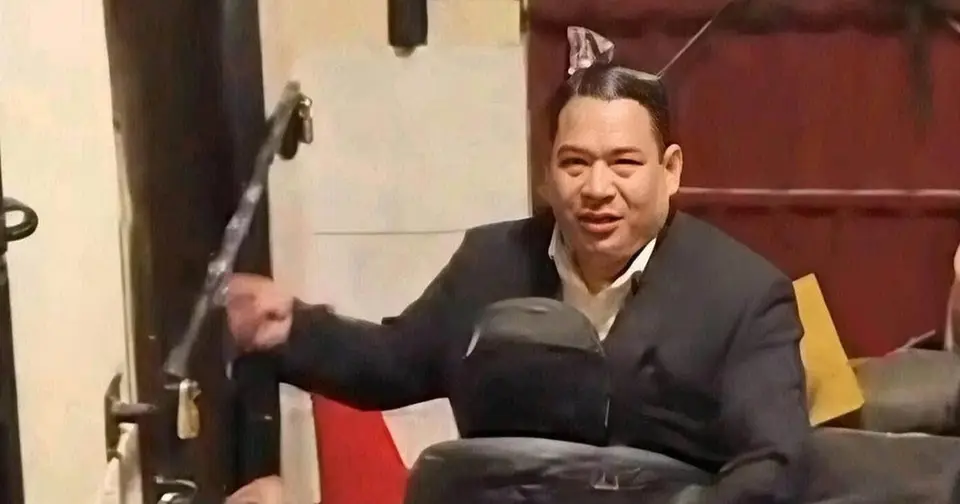
Charges against Mariaca: what evidence the Prosecution has and what still needs to be proven
The video in which drug trafficker Sebastián Marset mentions Attorney General Róger Mariaca, reports from the Financial Investigation Unit (UIF), background information sent by the United States and the mobile telephones and money seized at Viru Viru airport form the initial basis of the criminal proceedings, according to El Deber.
The charging resolution, which El Deber accessed, runs to 20 pages and is dated 2 October. The document details the elements the file currently contains, but also makes clear what still needs to be established to sustain the charges of controlled substance trafficking and criminal organisation.
Marset's video as the starting point
One of the first pieces of evidence is the audiovisual material released by Marset, in which he mentions individuals identified as "Mariaca", "Sonia" and "Aparicio". The Prosecution specifically uses the expression attributed to the drug trafficker—"Mariaca is my friend"—to establish a link between the Attorney General, Rubén Aparicio and others under investigation.
To that element were added police reports, UIF data and a statement from the United States State Department relating to the revocation of visas for Bolivian officials. These background materials were considered by the FELCN before locating Mariaca and Alberto Zeballos at Viru Viru airport.
What was seized during the arrest
During the search of Mariaca, agents seized two mobile telephones, a tablet, Bs 19,850, $us 2,100, documentation, jewellery and other items. All that material now forms part of the evidentiary record that must be submitted for expert analysis.
The role attributed to him by the Prosecution
On that basis, the Prosecution provisionally contends that Mariaca would have been part of a structure together with Aparicio, Zeballos and Martín Irusta. It attributes to him a supposed role of "protection and assistance" from the Public Ministry, a cover that would have operated when he served as departmental prosecutor for Santa Cruz and later as Attorney General.
The resolution also incorporates a broader accusation: it mentions reports according to which Marset would have paid up to $us 500,000 monthly within a supposed protection scheme involving high-level institutional figures. That hypothesis is linked to the failed operation of 29 July 2023.
What the Prosecution itself acknowledges remains to be done
However, the same document acknowledges that that information still needs to be verified. The resolution orders "verification and independent corroboration" of the content of the police reports, Marset's video, UIF data and other institutional sources. It also establishes that the origin and destination of the seized money must be determined, and it must be confirmed whether effective links actually exist between the investigated parties.
That task opens a second phase of the case. The prosecutors are planning raids, identification of new participants, witness statements, call triangulation and data traffic analysis, examination of telephones and social networks, expert analysis of conversations and consultations with Immigration and Interpol.
Six months of preventive detention
There is also an internal discrepancy in the document regarding the length of detention requested. The resolution initially mentions a restrictive measure of 90 days, but in the final prayer for relief the Prosecution requests six months of preventive detention for Mariaca, Zeballos, Aparicio and Irusta in the San Pedro and Patacamaya penitentiary facilities in La Paz.
Source: El Deber