Operation Hidden Credit: R$ 11.6 billion scheme investigates purchase of Tobras fuel distributor
Gaeco and the Federal Revenue Service execute warrants in seven Brazilian states to investigate money laundering in the acquisition of fuel distributor Tobras.
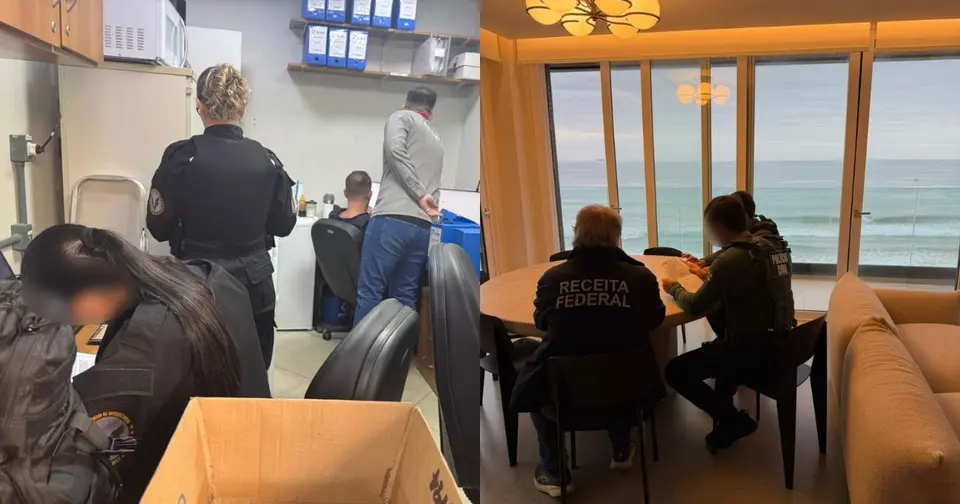
Searches in seven states target suspects in concealment of multimillion-real purchase of fuel distributor Tobras
Gaeco (Special Task Force for Combating Organised Crime) of the São Paulo Public Ministry launched, on Thursday (24), a new phase of Operation Hidden Carbon. As reported by ndmais.com.br, the operation — named Operation Hidden Credit — executes search and seizure warrants in seven states, including Santa Catarina, as part of investigations into money laundering and asset concealment linked to the acquisition of fuel distributor Tobras, also known as Terrana.
The operation is conducted jointly with the Federal Revenue Service and targets, among others, Humberto Arthur Tupinambá Neto, an executive at Banco Genial, and businessman Antônio Carlos Freixo Junior, known as Mineiro, owner of Entre Investimentos and previously associated with investigations involving Banco Master.
Overlapping companies, funds and fintechs
According to the São Paulo Public Ministry, the investigation identified a complex structure composed of companies, investment funds, holdings, fintechs and shell companies. The suspicion is that these layers would have served, in an initial phase, to conceal the true controllers of a sugarcane processing plant in the interior of São Paulo and, subsequently, to enable the purchase of the fuel distributor.
The plant was officially registered in the name of different funds and companies that, at first glance, showed no connection to one another. For investigators, this division would have been deliberately created to obscure the identity of who actually controlled the asset.
Movement of R$ 370 million at the centre of suspicions
One of the central points of the investigation is an operation involving approximately R$ 370 million in credit rights from the plant. According to the MPSP, a company in the group acquired these rights using shares in an investment fund. Analysis of the financial flows revealed that a substantial part of the resources used in this purchase would have originated from other funds controlled by the group under investigation.
In practice, the money would have circulated among companies and funds linked to the same persons involved before returning to the original structure — a path that, according to investigators, gave the appearance of normality to the transactions and made it difficult to identify the real beneficiaries.
R$ 100 million to finance the distributor
In a second stage, the MPSP identified the transfer of R$ 100 million to the plant's account with the declared objective of financing the acquisition of the fuel distributor. Before reaching its final destination, the resources passed through accounts of three companies in the group on fintech platforms — accounts that, according to investigators, served exclusively to receive and transfer funds.
The R$ 100 million was then allocated to a new investment fund created specifically for the operation. From there, the money would have gone through a series of financial operations until it reached the companies that, according to the investigation, served to conceal the true parties responsible for the purchase of Tobras.
One stage of this path involved a CDBV (Linked Bank Deposit Certificate): the fund invested the resources in a CD with a bank, which then carried out a financial operation associated with this investment and released credit to two shell companies identified in the investigation.
Total movement of R$ 11.6 billion between 2021 and 2025
The most striking piece of evidence in the overall body of evidence is the movement of approximately R$ 11.6 billion recorded between 2021 and 2025 by a financial company forming part of the investigated structure. The MPSP considers that this volume, combined with the other evidence gathered, reinforces the indications that the entire financial architecture would have been assembled to disguise the origin of the resources, conceal assets and prevent the identification of those responsible for the operations.
The third phase of Operation Hidden Carbon now aims to clarify how the companies and funds identified were used in the acquisition of the distributor and who the beneficial owners of the resources involved are.
Source: CNN Portugal