Düsseldorf–Cologne rail line blocked for two days after arson attack
An important rail link in western Germany was crippled by fire. A far-left group claimed responsibility.
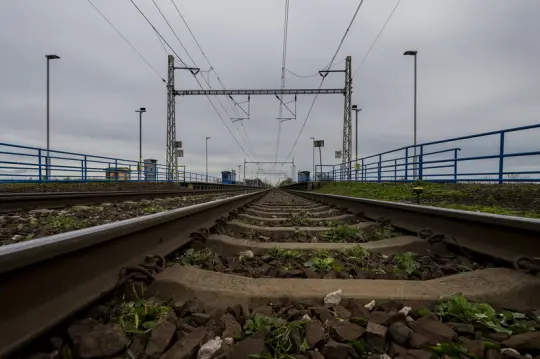
Düsseldorf–Cologne rail line blocked for two days after arson attack
The rail connection between Düsseldorf and Cologne in western Germany was interrupted for two days by a fire. Investigating authorities are currently treating it as sabotage after an extremist group from the left-wing spectrum claimed responsibility for the action. Traffic finally resumed on Sunday evening.
The fire occurred in the Leverkusen area. Initially it was reported that a levee had caught fire, but it later emerged that a cable line in a ditch beside the tracks had been damaged. The radical organisation distributed a statement claiming responsibility, in which it stated that it had placed explosives and incendiary devices at the power distribution centres. It gave as its motive the desire to combat the consequences of advancing technologisation and to prevent suffering caused thereby.
According to the assessment of the security services, as reported by the agency DPA, the statement is authentic. A technical defect as the cause of the fire has been ruled out.
The state railway reported in the evening that technicians had been able to repair the damaged lines. Since the fire broke out on Friday, specialists had worked without interruption. Meanwhile, both regional and long-distance trains are again running without obstruction over the affected route.
DPA points to the group's history: in summer 2025, supporters of the same organisation had already claimed responsibility for an attack lasting several days on the Düsseldorf–Duisburg line. In January, they attempted to destroy a transformer station in Erkrath, but this failed. Other fires in the Düsseldorf region – including at transmitter masts and in an A46 motorway tunnel – are also attributed to this cell.
Source: České noviny