Berlin attacker had hundreds of followers and reputation as mentor among Islamists
Abdul B., perpetrator of the van attack at the Equality Parade in Berlin, was known as a religious mentor in Salafist circles. One Polish woman was killed and 31 people were injured.
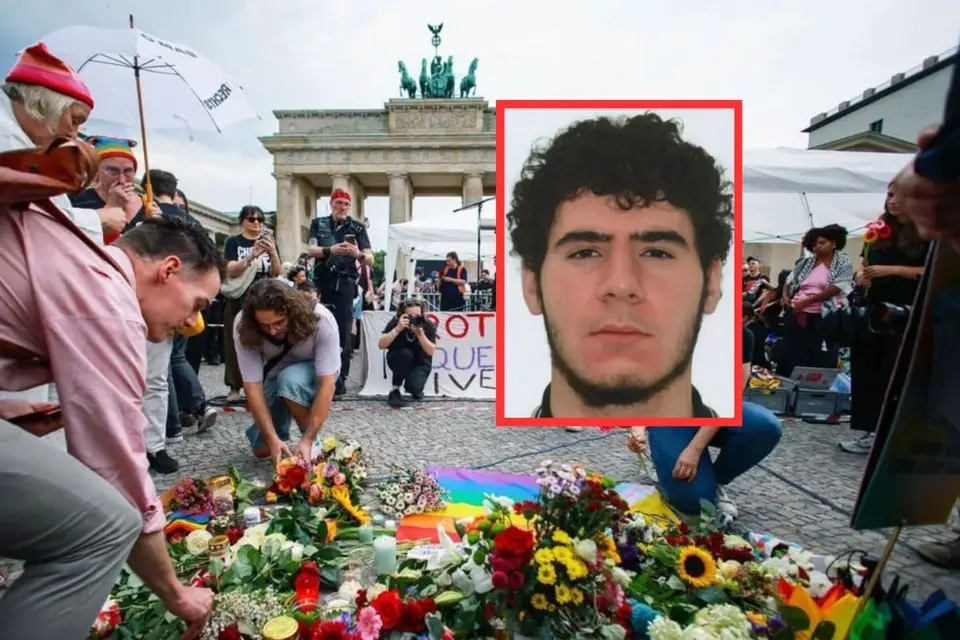
Abdul B. as Islamist mentor – new facts after Berlin attack
The perpetrator of the attack on the Equality Parade in Berlin built up his position as a religious leader among radical Islamists over a period of years, according to o2.pl. The 21-year-old's Telegram channel had hundreds of followers to whom he regularly served extremist content.
Abdul B., a German citizen of Lebanese origin, had been monitored by the authorities since at least 2021. That same year he converted from Shia Islam to Sunni Islam and began increasingly connecting himself with circles linked to terrorism. He maintained contacts with three Salafist "sheikhs" who were already under surveillance for extremist activities.
His criminal history was well documented. He spent time in custody both in Germany and in Lebanon, where he was detained in 2025 after attempting to join the so-called Islamic State. After returning to Germany he was placed in a juvenile facility – according to service notes, he attempted there to radicalise fellow inmates. In May 2026 the court sentenced him conditionally and ordered him to participate in a deradicalisation programme.
The attack took place on a Saturday evening in Tiergarten park, near the Equality Parade route. B. drove a van into a crowd of pedestrians. As a result of the attack, a Polish citizen lost her life and 31 people sustained injuries. The day after the attack the perpetrator died during a police manhunt. Investigators found a recording on his phone in which he confesses to the attack and declares allegiance to the so-called Islamic State.
According to findings cited by PAP, B. enjoyed a reputation as a religious leader in the Islamist community. The 21-year-old's appearance and behaviour in 2026 clearly indicated progressive radicalisation that had been noted by the authorities.
The attack sparked a sharp debate in Germany about the effectiveness of security institution operations. Interior Minister Alexander Dobrindt announced urgent legislative changes including expanded use of electronic surveillance, preventive arrests and modifications to regulations concerning minors suspected of terrorism.
The Central Council of Muslims in Germany firmly condemned the attack and distanced itself from its perpetrator.
Source: Google News PL