Spanish Civil Guard intercepts diplomatic vehicle with more than 512 kilogrammes of drugs
Spanish authorities detained a vehicle belonging to South Africa's embassy in Morocco at the Tarajal border crossing. Inside were found more than 850 packets of hashish, with a total weight exceeding 512 kilogrammes.
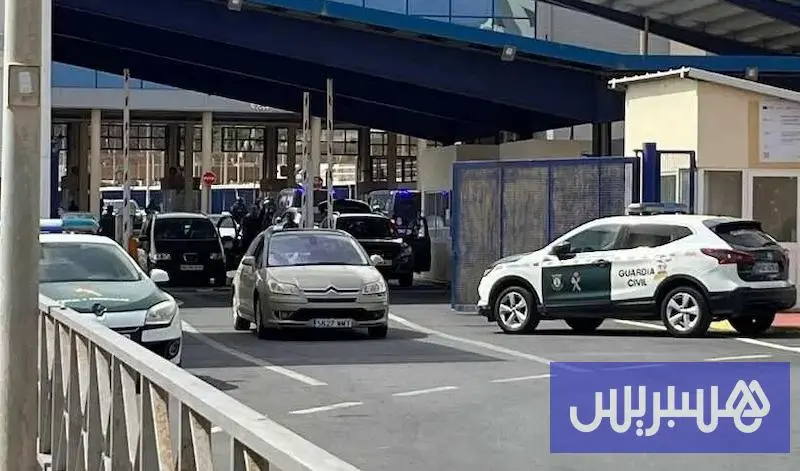
Spanish Civil Guard intercepts diplomatic vehicle with more than 512 kilogrammes of drugs
Officers from Spain's Civil Guard detained an automobile loaded with a large quantity of narcotics last Saturday at the Tarajal border crossing, which connects Morocco with the occupied city of Ceuta. The vehicle bore a diplomatic licence plate corresponding to South Africa's embassy in the Kingdom of Morocco.
According to the digital newspaper Hespress, the driver of the German-manufactured Mercedes vehicle, which was heading towards Morocco, works as an employee of Pretoria's embassy in Rabat. He was detained and an official report was filed against him under the anti-smuggling law, pending appearance before Spanish justice.
The same source confirmed that the detention operation was carried out in collaboration with officials from the Customs Administration at the said border crossing, after the vehicle aroused suspicions regarding its possible use in illicit activities. More than 850 packets of hashish were seized, with a total weight exceeding 512 kilogrammes, along with other goods which included perfume containers.
From a legal standpoint, Spanish legislation typifies the smuggling of goods across borders as a criminal offence through specific and very severe regulations, known as Organic Law on the Repression of Smuggling number 12/1995, which has been subject to several substantial subsequent amendments to increase penalties and update digital surveillance means.
The Customs Surveillance Service, attached to the Spanish Tax Agency, in collaboration with the Spanish Civil Guard, holds the powers of inspection, seizure and official report filing at borders, ports and crossing points, such as those at Tarajal and Beni Enzar, which connect Morocco with the occupied cities of Ceuta and Melilla.
Source: Hespress
Source: Hespress