Drug trafficking network in Cáceres: 13 years prison and fines of 2 million for more than 20 defendants
More than 20 people face sentences of up to 13 years for selling drugs outside supermarkets and health centres in the province of Cáceres.
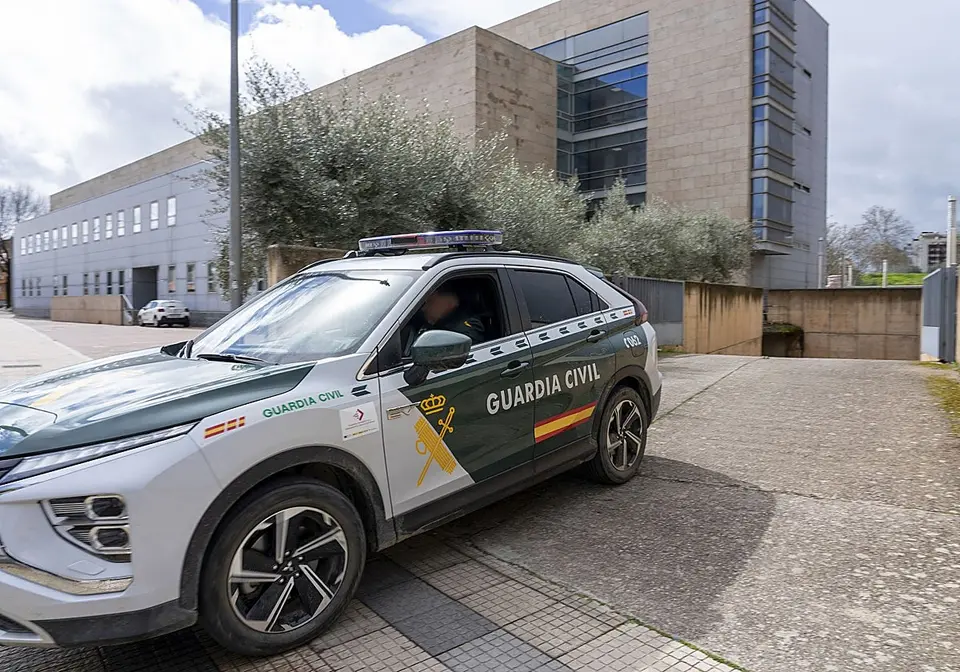
Trial in Cáceres against network that sold cocaine outside Mercadona and Carrefour
More than 20 people will appear this Friday before the Provincial Court of Cáceres accused of drug trafficking, unlawful possession of weapons and money laundering. According to reporting by hoy.es, the Provincial Prosecution Service is seeking sentences of between one and a half and 13 years imprisonment, plus fines totalling two million euros.
Operations with family clans from Coria
The organisation was based in Coria and extended its activities across the entire province through interfamily clans. Sales were carried out in areas of high public footfall: the car parks of Mercadona and Carrefour supermarkets, the vicinity of health centres, bank offices and well-known hotels-restaurants in the area. The network used a fleet of vehicles and systematically deployed family members or collaborators as shuttle vehicles, with the sole function of driving ahead of the main cargo to alert members to possible police checks.
Cocaine at €33,500 per kilo and 100 kilos of adulterant substances
The investigation, begun in 2019 by the Judicial Police Team of the Coria Civil Guard, revealed a hierarchical criminal structure. At the top were major suppliers, who purchased cocaine by the kilogramme at a fixed price of €33,500 per unit. One of the main suppliers purchased 100 kilogrammes of cutting substances—boric acid, caffeine, lidocaine and levamisole—intended exclusively for adulterating the drug before distribution.
The manipulated merchandise was distributed among different family clans, who used their own homes as operational bases. In the total of the raids, approximately 22 kilos of cocaine, heroin and cannabis resin were seized, as well as around 175 cannabis plants.
Arsenal and plantations dismantled in 2020
The raids and house searches, authorised by the Court of First Instance and Instruction Number One of Coria in late 2020, completely dismantled the infrastructure. Officers confiscated packages of cocaine in rock format with purity exceeding 80%, batches of heroin and cannabis resin, and dismantled indoor cannabis plantations equipped with gas extraction systems, transformers, high-powered halogen lamps and hundreds of pots.
To protect the business, the clans possessed illegal firearms: shotguns and revolvers with their serial numbers removed, hollow-point ammunition, Taser-type electric stun devices and a .22 calibre pen pistol.
Properties, shell company and Christmas lottery tickets
The money generated by trafficking was channelled through money laundering methods. The ringleaders maintained a high standard of living without known lawful income and invested between €250,000 and €300,000 in purchasing properties and setting up a vehicle trading business. They also established a shell company dedicated to telecommunications trade with an initial outlay of €48,000.
In several of the raids, tens of Christmas lottery tickets and participations were found, a method typically employed by criminal organisations to attempt to justify to the tax authorities income of illicit origin as supposed legitimate prizes.
Harsher sentences for prior convictions in several courts
Given that a large proportion of the accused had already accumulated final sentences and completed sentences for drug trafficking in courts in Cáceres, Toledo, Madrid and Oviedo, the Prosecution Service significantly increased the sentences sought in its provisional conclusions.
The ringleaders and main suppliers face between nine and 13 years imprisonment, as offences of drug trafficking of notorious importance are added to money laundering and unlawful possession of weapons. The fines for those involved total €2,014,650 per person.
For members of the clans in charge of storage, counter-surveillance, preparing doses and direct sales, the Prosecution Service seeks sentences of between five and eight years imprisonment. Transport workers and lower-level collaborators face requests for four and five years imprisonment.
The Prosecution Service of Cáceres has requested dismissal and the archival of proceedings regarding one of those investigated, whose death was certified during the judicial process. It also urges the court to decree the definitive seizure of all goods seized and the immediate destruction of all drugs confiscated.
Source: Google News ES — Crime (es)