NHH student charged with cocaine and cannabis worth nearly ten million kroner
A student at NHH in Bergen is charged with serious drug offences following a police operation against an extensive drug network. He has been held in custody since 3 December.
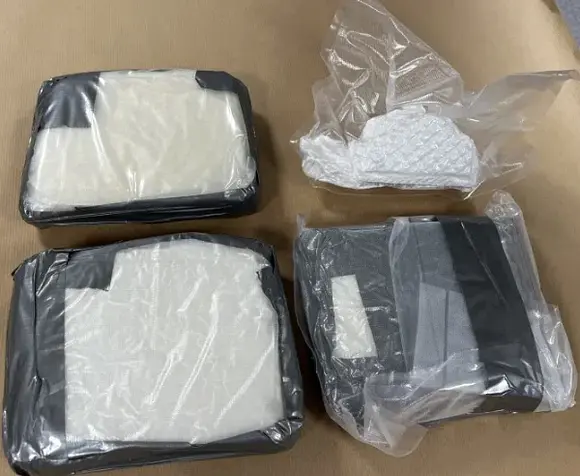
NHH student held in custody following major operation against drug network in Bergen
A student at Norges Handelshøyskole (NHH) has been held in custody since 3 December last year, after police moved against what they describe as an extensive drug network in Bergen. VG reports that the student is now charged with serious drug offences related to possession of 25 kilos of cocaine and 25 kilos of cannabis.
The case was first reported by Bergens Tidende.
The student is charged alongside five other people. One of the co-accused is a man in his 30s who is managing director of a construction firm in Eastern Norway. According to the police investigation, the two jointly purchased drugs worth nearly 9,975,000 kroner.
"This is a case that the police have been investigating since early autumn last year. There were arrests in early December, and some slightly later in December," police prosecutor Jørgen Henriksen tells VG.
Detailed accounts and cryptocurrency transfers
Police believe they have uncovered a detailed account documenting how a drug supplier with the username "Maradona. 10" allegedly supplied goods to the co-accused and a user called "Leon" – a name police link to the NHH student. Payment should, according to a custody order from Hordaland District Court, have occurred through "coordinated cash deliveries and cryptocurrency transfers".
Police have further found that the student transferred over 2.5 million kroner to the same cryptocurrency address as the drug supplier used. Over 700,000 kroner in cash has also been seized, according to Bergens Tidende.
The drugs are said to have been sold in Bergen, Oslo and other parts of the country.
Refuses to provide codes to cryptocurrency wallet
A central element in the court's assessment of continued custody is that the student still controls substantial values in cryptocurrency that police have not gained access to.
"It appears undisputed that the accused has been unwilling to provide codes for his phones, or otherwise cooperate in securing the cryptocurrency values still located in his wallet," the Court of Appeal's custody order states.
The student has, in custody hearings, requested release and pointed out that he is studying at NHH and wishes to sit exams. His defence counsel, lawyer Reidar Andresen, also argued that his client is employed, has a fixed residence and does not use drugs.
"The case has been a 'wake-up call' for the accused in the sense that he understands he cannot involve himself with people dealing in drugs," the defence counsel wrote in his appeal.
Neither the district court nor the Court of Appeal was persuaded. Both instances consider there is strong probability that he will commit new criminal acts if released. Andresen declines to comment on the case to VG.
Police investigation ongoing
The student has partially admitted guilt for handling stolen goods, but denies the main charges of drug offences.
Police are still working through a large number of seized digital devices, which are to be collated with information on cryptocurrency transfers recorded on the blockchain.
"It will be a dig for the police to collate what we have, including for instance cryptocurrency transfers that lie on the blockchain, and to go through and conduct case analyses," says Henriksen.
Once the investigation is completed, the police will send their recommendation to the public prosecutor, who will then decide whether to press charges.
The court notes in its reasoning for continued custody that the student can expect a lengthy unconditional prison sentence if convicted.
NHH states through communications director Geir Mikalsen that they are not aware of the case and have no comment.