CAN conducts over 100 joint operations against organised crime in Andean border regions
The Andean Community coordinated more than 100 operations in border zones and works across 13 key areas, including drug trafficking and illegal mining.
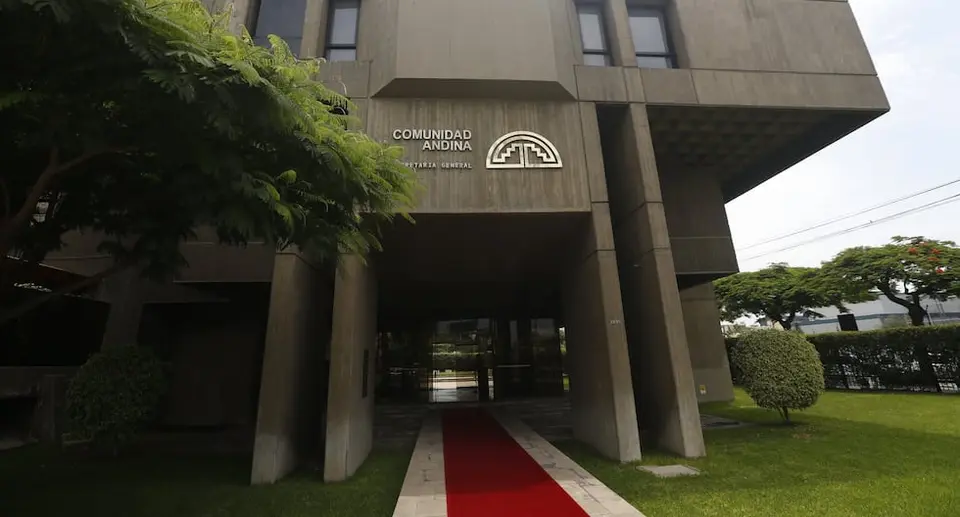
Andean Community launches regional offensive against organised crime
Member countries of the Andean Community (CAN) have carried out more than 100 joint operations in border zones to combat organised crime, according to information provided by gestion.pe. The figure was revealed by the organisation's secretary general, Gonzalo Gutiérrez, following his assumption of the pro tempore presidency for one year.
Gutiérrez specified that the CAN works in a coordinated manner across 13 thematic areas, including financial intelligence, prison management and the fight against drug trafficking and illegal mining. Member countries have also launched control mechanisms over flows of illegal resources in the region.
Cryptocurrencies, the new channel for money laundering
The secretary general warned that income from illegal mining and drug trafficking is being converted into cryptocurrencies to facilitate its movement and money laundering. In response, the CAN is providing training to intelligence agencies, prosecutors, judicial authorities and police forces to detect and track virtual money.
Training workshops have already been held in Ecuador and Peru, and will continue in Bolivia and Colombia with the cooperation of the Netherlands.
Air and maritime integration on the Andean agenda
Beyond security, Gutiérrez announced the promotion of the "Single Andean Sky" programme, with support from the CAF. The initiative seeks to integrate air transport across the four member countries to reduce costs and establish regional frequencies, with harmonised standards, common biometric identification and unified security. The promotion of Andean cabotage for maritime and multimodal transport will also be pursued.
CAN decisions have the force of internal law
Faced with possible political divergences between governments, Gutiérrez emphasised that decisions adopted within the framework of the CAN have the character of internal law in member countries. As an example of the bloc's effectiveness, he cited a tariff dispute between Colombia and Ecuador that was halted following warnings from the General Secretariat about possible sanctions.
"We now have in the Andean Community four countries that have a similar political tendency. (…) Agreements made within the framework of the Andean Community are translated into decisions. Decisions are internal laws in the countries," declared Gutiérrez on RPP.
Source: Google News PE — Crime