49 reports of illegal livestock slaughtering in La Paz: police and producers plan new operations
The Liaison Committee of Entre Ríos and the Provincial Police met in La Paz to analyse rural cattle theft and propose joint control measures.
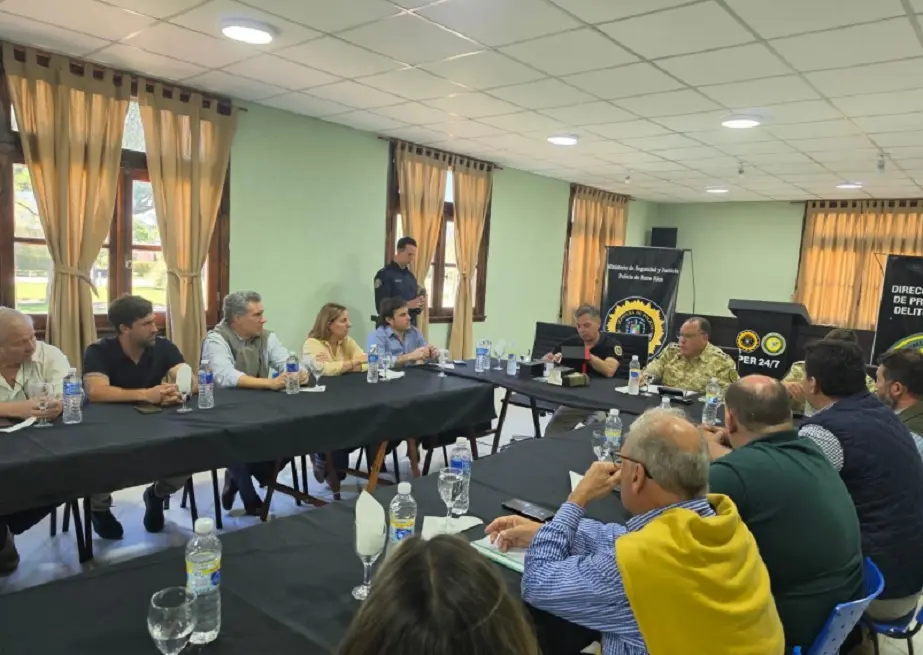
Cattle theft in Entre Ríos: 49 reports and 40 seized firearms mark first balance of 2026
Representatives of the Liaison Committee of Entre Ríos met on Wednesday with officers from the Rural Crimes Brigade in the city of La Paz, in what was the third working meeting under this coordination agenda, following previous meetings in Bovril and Paraná. According to dosflorines.com.ar, the central objective was to address comprehensively the problem of cattle theft and security in the rural sphere.
The meeting was attended by representatives of the productive sector representing the Argentine Agricultural Federation, the Argentine Rural Society, the Federation of Rural Associations of Entre Ríos and the Entre Ríos Federation of Cooperatives. From the Entre Ríos Police, the provincial chief, Claudio González; the general director of Rural Crimes, Commissioner Cristian Allegrini; and the deputy general director of Rural Crime Prevention, Inspector Commissioner Horacio Raúl Ludi were present.
During the meeting, a detailed balance of ongoing operations and investigations was presented. The data revealed that the province has 32 rural cattle theft units in operation, that 49 reports of illegal slaughtering have been registered since the start of the year, and that approximately 40 firearms were seized in preventative and contravention procedures.
Operations conducted in Bovril were also highlighted, with a deployment of more than 120 officers, along with inspections of butcher shops for clandestine slaughter and serious sanitary violations that resulted in the confiscation of more than 1,000 kilograms of meat. Likewise, investigative progress was mentioned regarding links between cattle theft and other related crimes.
The entities of the Liaison Committee emphasised the need to sustain these preventative actions over time to prevent rural crime from becoming normalised or shifting to other areas of the province.
Among the proposals put forward is the implementation of a 24-hour monitoring network through the incorporation of cameras—both public and private—on primary, secondary and tertiary roads. The creation of rural prosecuting offices or special prosecutors within existing ones was also promoted, with the Maneiro project as a possible legislative vehicle, in order to prevent the dispersal of relevant information and favour a comprehensive perspective of events.
Other initiatives include the development of an Investigation Protocol for Rural Crimes that establishes guidelines for rapid and coordinated action, the regulation of the current law on loose animals on rural routes and roads in terms of road safety, and the extension of inspections in the meat chain to refrigeration plants and processed meat factories under the framework of Meat Law No. 7292, which until now had been applied mainly to butcher shops.
From the Liaison Committee it was emphasised that permanent coordination between the agricultural sector, police forces, the Legislature and the Judiciary constitutes the fundamental path to guarantee security and certainty for rural families in Entre Ríos.
Source: Google News BO — La Paz