Rally racers convict Auto Games boss: admitted to laundering 92 million crowns
Three co-defendants, rally racers, entered into plea agreements and confirmed that they secretly returned tens of millions from gambling levies to Pavel Buráň.
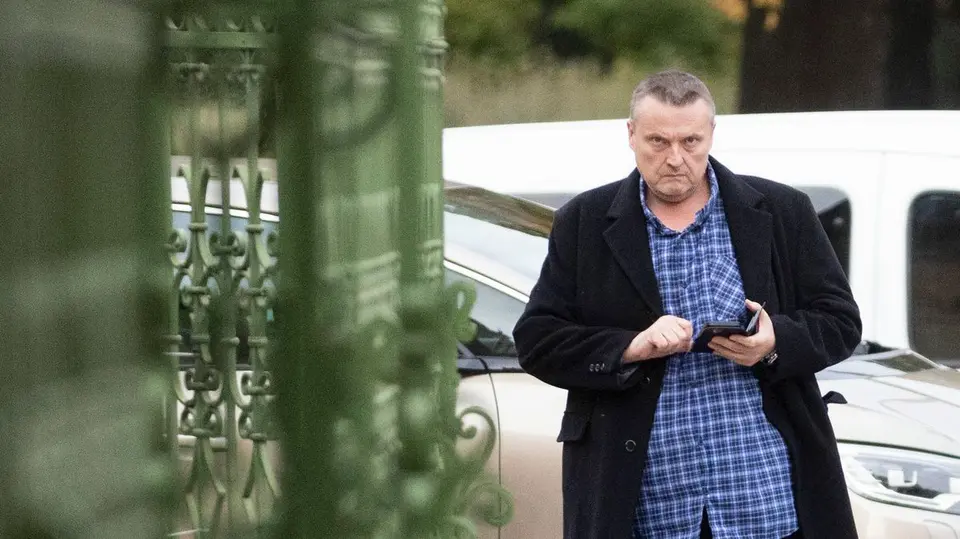
Admissions by rally racers strengthen case against Auto Games founder
Three former rally racers concluded plea agreements over the past two weeks and testified at the Regional Court in Brno that between 2009 and 2011 they secretly returned a total of 92 million crowns to Pavel Buráň. His company Auto Games, however, formally reported these as lawful levies for public benefit purposes. According to seznamzpravy.cz, police are now closing their investigation into the alleged fraud totalling nearly 120 million crowns.
The case is exceptional for two reasons: the acts took place more than fifteen years ago, and it is the only case of this kind that will ever reach court — the rest have been barred by the statute of limitations.
Gambling firm and a legal loophole
Pavel Buráň, a fifty-four-year-old businessman today and founder of the company Auto Games, was according to police a master at exploiting legal grey areas. Gambling firms did not have to pay taxes until 2012, but the law required them to pay between six and twenty per cent of their proceeds to public benefit purposes — culture, sport, education or ecology. The Ministry of Finance, however, never actually monitored whether the money actually reached the declared recipients. It was enough to submit documents with the name of the beneficiary.
Buráň systematically exploited this loophole. The Auto Games company sent tens of millions annually to, among others, rally racers. However, according to investigators, they collected these in cash and brought them back to Buráň. In appearance, the company complied with the law, but in reality it cost them only a fraction of the obligatory amount.
Racers admit, Buráň denies
Brothers Roman and Pavel Odložilík admitted in court last week that they secretly brought Buráň over 54 million crowns in cash. Roman Odložilík received a two-year suspended sentence and a fine of two million crowns, his brother Pavel received a sixteen-month suspended sentence and will pay 1.5 million.
Racer Antonín Tlusťák testified on Monday that Auto Games sent him money as part of public benefit levies. He invested a small portion into motorsport, but the vast majority — a total of over 38 million crowns — he returned to Buráň in cash according to his own testimony. Tlusťák is leaving with a six-year custodial sentence, which is a combined penalty also for his earlier tax fraud related to motorsport. Court spokeswoman Klára Belková confirmed the conclusion of all three agreements, though the protocol from Tlusťák's hearing had not yet been approved at the time of publication.
Buráň rejects all accusations. According to him, the racers are lying because they have been "primed" by investigators. "They said they brought me money in plastic bags. And for that they got a plea agreement. It's actually a big fraud and a bribe from the police and the prosecution," Buráň said. He characterises the testimony of his co-defendants as manipulated — claiming that they merely blindly repeat what the police want to hear.
Via Fortuna Foundation and another channel
Auto Games directed questionable levies not only to racers. A total of 75 million crowns went to the Via Fortuna Foundation, which Jiří Gračka founded in Uherský Brod. Detectives claim that part of this money was also returned to Buráň — the foundation financed, among other things, his manufacturing company procuring more environmentally friendly technology or a motorway restaurant on the D1 motorway.
In one year, the foundation managed assets of up to 64 million crowns from Auto Games. Gračka is in his fifth year as a defendant and has defended himself from the start by claiming he had contracts for everything. "How was I supposed to find out what they did with the money? I had a contract that they would receive the funds, and a declaration of honour on what they would use them for. What else was I supposed to do?" Gračka explained.
Systemic failure of state oversight
The Auto Games case is not an isolated excess but a symptom of systemic failure. Reporters from seznamzpravy.cz, then still as authors of Hospodářské noviny, described dozens of similar cases between 2009 and 2012: enormous sums disappeared each year with anonymous civic associations, golf resorts, private ski slopes or racers.
A key problem was that the Ministry of Finance long told detectives that it did not consider itself a victim. The levies did not belong to the state as taxes, but to sports associations, environmental and social projects. Which gambling firms would benefit was entirely at their discretion. Only a subsequent change in legal interpretation enabled police to pursue Buráň and others.
Politicians closed the loophole definitively by amending the law in 2012. However, the vast majority of suspected cases from that time cannot end in criminal proceedings — the statute of limitations barred them before investigators reached them. The Buráň case thus remains an exception that will reach court.
Source: Google News CZ — Crime (cs)