Murder of elderly man in Cologne reveals gaps: two suspects should have been deported
A 93-year-old man was murdered in a robbery in Cologne. Two of three suspects should have left Germany in the past, according to pravda.sk.
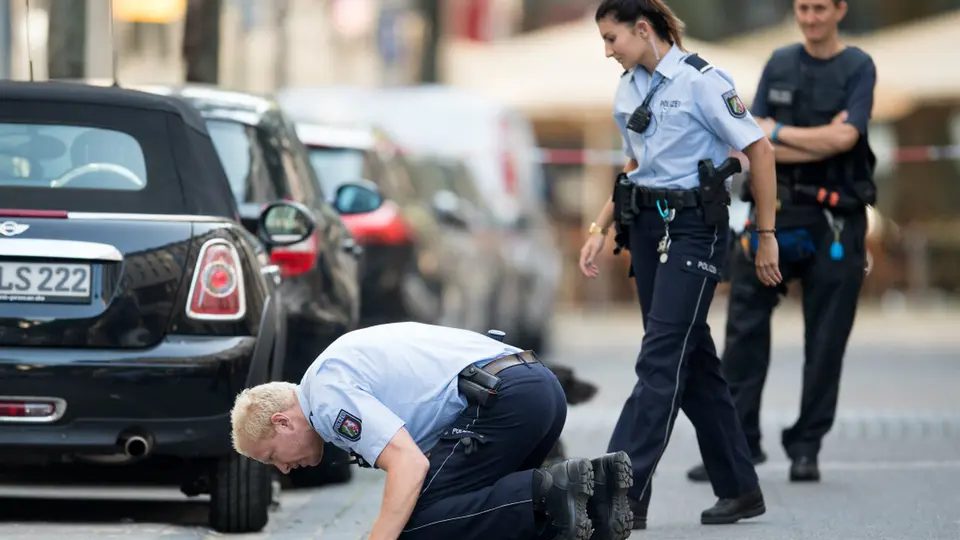
Murdered elderly man in Cologne: case that shook German migration policy
When a 60-year-old woman came with her 65-year-old brother to visit their father on Sunday, 3 May, in the quiet Neubrück district on the eastern side of Cologne, the 93-year-old man did not open the door and did not answer the telephone. After entering the family home on Böhmweg, they found him dead. Police confirmed that the body bore traces of serious injuries; a post-mortem examination showed death resulted from massive violence. Pravda.sk reports that investigators worked from the beginning with the theory of a robbery attack.
According to police, one or more perpetrators entered the bungalow sometime between 1 and 3 May. The Cologne prosecutor's office, to which the public broadcasting station WDR referred, stated that they broke into the house through the terrace door. They left the scene with an electric bicycle and a bracelet. The regional newspaper Kölner Stadt-Anzeiger painted an even grimmer picture: according to its sources, the elderly man was found bound on the bedroom floor with traces of torture, wardrobes and drawers had been searched.
Three arrest warrants, three arrests
Criminal investigators established a special investigation team. DNA, fingerprints and other evidence from the house led them to three men aged 30, 36 and 59. A judge issued arrest warrants for all three on suspicion of murder.
The first, a 30-year-old man, was arrested under unusual circumstances. A patrol noticed an Opel Corsa parked on the A1 motorway near Remscheid on 11 May. When police officers attempted to check the vehicle, the driver fled and did not respond to orders to stop. After his arrest, it turned out that the man was already wanted in connection with the pensioner's death. That same evening, a 59-year-old suspect was also arrested during a house search in Cologne.
The third man was on the run. Police released his photographs and the search ended on 19 May at Salzburg's main railway station, where he was arrested by Austrian police. He is a 36-year-old man from North Macedonia. The Cologne prosecutor's office requested his extradition from Austria.
Kölner Stadt-Anzeiger, citing its own investigative findings, reported that the investigation was also extended to a circle of a large family known to police from the past. During one of the searches, two women were arrested, but they were subsequently released — reasonable suspicion of their involvement was not confirmed.
Cologne's chief prosecutor, Ulrich Bremer, told the regional newspaper that the evidence suggests that the suspects had likely targeted the elderly man's home in advance and treated the man with extraordinary brutality.
The question of deportations and humanitarian exceptions
What appeared to be a local criminal case escalated in North Rhine-Westphalia into a sensitive political debate about how immigration authorities function, humanitarian exceptions and the exchange of information about the criminal history of persons who were originally supposed to leave Germany.
In September, WDR reported that two families connected to the suspects were supposed to have been required to leave Germany in the past. According to the station, immigration authorities had sought their deportation, but the families, with the help of support organisations, turned to a commission for extraordinary cases — the so-called Härtefallkommission in North Rhine-Westphalia. In 2017 it recommended that they be allowed to stay. The families' difficult health and social situation played a key role, particularly the deafness of several of their members. WDR states that all three men suspected of the May attack are deaf.
The case thus raised the question of the extent to which humanitarian exceptions take account of potential security risks and whether the relevant authorities exchange information about the criminal history of applicants for exceptions.
Source: Google News SK — Crime (sk)