La Trinidad in Málaga: Between Urban Renewal and Criminal Pressure
The Málaga neighbourhood of La Trinidad faces a transformation driven by the City Council whilst contending with organised crime and tourist speculation.
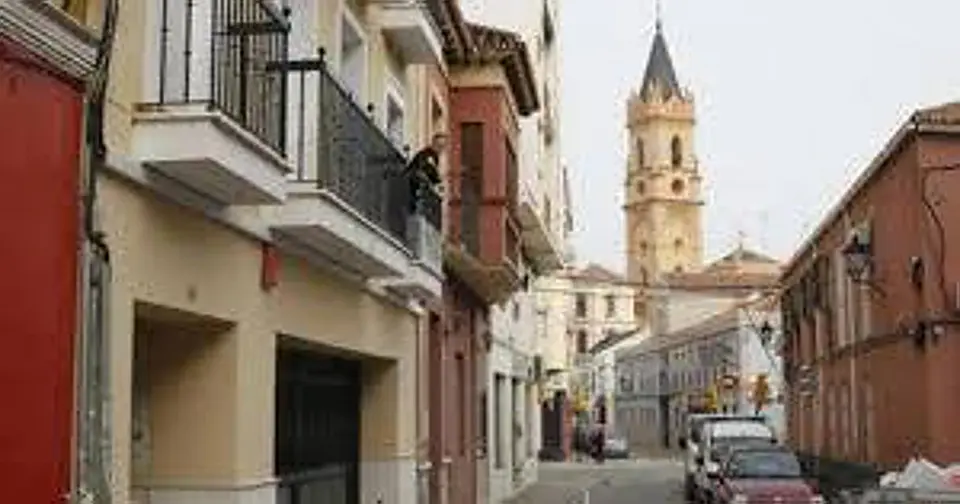
A historic neighbourhood under pressure
The corralones define La Trinidad. According to ABC, these historic dwellings—built outside the walls of the ancient city of Málaga on the far side of the Guadalmedina river—have housed thousands of working-class families since the eighteenth and nineteenth centuries who sought cheap accommodation near the factories where they worked shifts of between 12 and 14 hours in precarious living conditions.
Inspired by housing models from the Roman and Andalusí past, the corralones were organised around communal courtyards surrounded by galleries and external corridors. Francisco Manuel Cantos, councillor for the Social Rights Area and president of the Central District Council, describes these spaces as places "surrounded by dwellings where community uses were confined to a particular reality". The narrow streets, washing hanging between balconies, flower pots and busy squares completed a way of life that the neighbourhood transformed into its own hallmark.
Two decades of municipal intervention
Twenty years ago the Málaga City Council launched a series of measures aimed at, according to Cantos, promoting "the intervention of community life such as the care, order or self-respect that residents feel towards those courtyards". Since then, the residents of La Trinidad and El Perchel open their homes twice a year—in spring and at Christmas—to show the rest of the city their courtyards adorned with flowers.
In the Corralón de Santa Sofía there also operates a culinary experience led by women from the neighbourhood, who recover traditional recipes through cooking workshops with tastings. These activities have increased visitor numbers to the area year on year.
The Cautivo and Trinity brotherhood, founded on 26 April 1934, represents another identity pillar. The white habit of the Cautivo crossing the Puente de la Aurora on each Holy Monday, amid incense and the fervour of the faithful, is an inseparable image of Málaga's Holy Week and of the neighbourhood's connection to its own history.
The Edusi programme and pending works
The collaboration between residents and the local administration crystallised in the Sustainable and Integrated Urban Development (Edusi) programme, which has driven several modernisation projects. The most visible has been the pedestrianisation of streets previously dominated by traffic: the Plaza del Llano de la Trinidad replaced the roadway with a space for pedestrians.
Among the planned actions is the remodelling of Plaza de San Pablo, where the construction of an underground car park with 300 spaces is also projected on one of three disused plots in the area. The other two plots would be allocated, according to the initial plan, to housing.
Cantos has disclosed to ABC another proposal in the planning phase: "the creation of a new street connecting the rear of the San Pablo church with the calle Juan de Calderera, towards the calle Trinidad". The objective declared by municipal officials is "to make the neighbourhood more habitable for the rest of the citizenry, so that it can be visited and used".
Tourist speculation and major investors
The City Council does not act alone in that space. Private investors linked to the luxury tourism sector have been acquiring positions in the neighbourhood over recent years. The group of Israeli investors White is the name that circulates most in Málaga's business sphere: their project contemplates the construction of a complex of tourist accommodation and a four-star hotel on plots in Plaza de San Pablo initially destined for protected housing.
That dispute between residential use and the tourist commodification of land marks the economic backdrop of La Trinidad's transformation, a process in which the priorities of the municipality and those of major capital do not always coincide.
Operation 'Corralones' and gang violence
Apart from the urban development projects, the neighbourhood has been experiencing, over recent months, an escalation of violence perpetrated by rival criminal gangs. The situation led the Police to launch operation 'Corralones'—a designation which, beyond the irony of the name, has nothing to do with the historic dwellings—against drug trafficking and clashes between clans.
The latest intervention within that operation took place on 28 April. Residents woke to the sound of a helicopter and sirens following a shooting in the area. More than 250 officers deployed on the ground and by air carried out 21 raids and arrested 24 people. In the raids various weapons were seized, 20,000 euros in cash and narcotics.
The criminal presence adds a layer of complexity to the future the neighbourhood seeks to build. The residents of La Trinidad struggle to preserve the identity that their corralones forged over centuries, while negotiating with the pressure of luxury tourism, the municipal renewal plans and an insecurity that in recent months has turned its streets into the scene of large-scale police operations.
Source: ABC