Mafias charge €9,000 to transport migrants from Ceuta to the mainland
National Police confirms illegal transportation of migrants from Ceuta to Cádiz following the mass entry on 30 July. Four arrested in the operation.
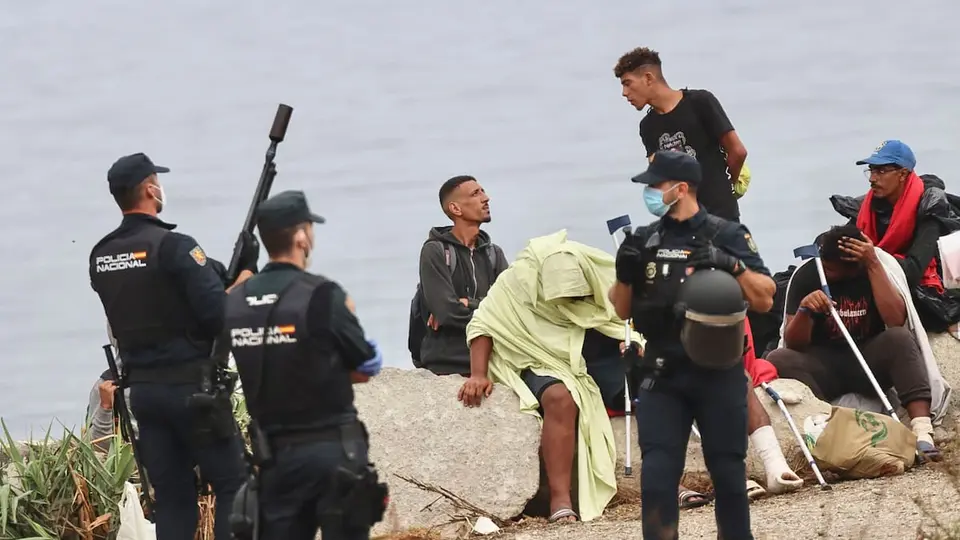
Human trafficking networks exploit Ceuta migration crisis to transport people to the mainland
According to reports from Google News ES — Crime (es), in the early hours of 14 August, after 4:00 a.m., officers from the National Police intercepted seven people on El Burgo beach in La Línea de la Concepción who had just disembarked from a small vessel. The investigation confirmed they had arrived from Ceuta, becoming the first evidence that mafias had begun trafficking migrants who entered en masse through Tarajal on 30 July.
The seven occupants of the boat had travelled approximately 40 kilometres from Ceuta. Each paid €8,000 to the skipper for the crossing. The vessel measured five metres in length and two metres in beam, had no life jackets, and drifted in the Strait of Gibraltar. The passengers told agents that during the journey there was thick fog that made navigation difficult and considerably reduced the chances of being located in an emergency.
The trafficker commanding that boat was arrested and remanded in custody, accused of an offence against the rights of foreign citizens. The investigation also considers possible aggravating factors related to profit motive, the special vulnerability of the victims, and danger to their lives, health, and physical integrity.
The National Police have confirmed that people were transported to the mainland from among the approximately 80,000 migrants who managed to enter Ceuta on 30 July. The mafia networks brought these people into Cádiz through La Línea de la Concepción.
In a second operation, agents located the speedboat used, beached on a rocky outcrop in the coastal area of Benzú in Ceuta. Four people were arrested—two in Ceuta and two in Cádiz. These networks charged up to €9,000 for each transport to the mainland and employed experienced pilots to evade police controls.
The migrants were housed in dwellings, garages, or other properties in Ceuta whilst awaiting transport to the embarkation point. The traffickers used support vehicles to make the transfers discreetly, avoiding areas with heavier police surveillance. Once a vessel arrived from the mainland, the migrants would embark and undertake the sea crossing, whilst other network members waited on shore to receive and disperse the migrants across mainland territory.
Source: Google News ES — Crime (es)