Nine arrested in Alicante in dismantling of international vehicle theft and forgery ring
The Guardia Civil and National Police have dismantled a network in Alicante province dedicated to the theft of mid-to-high-range cars and their reintroduction into the legal market with forged documentation.
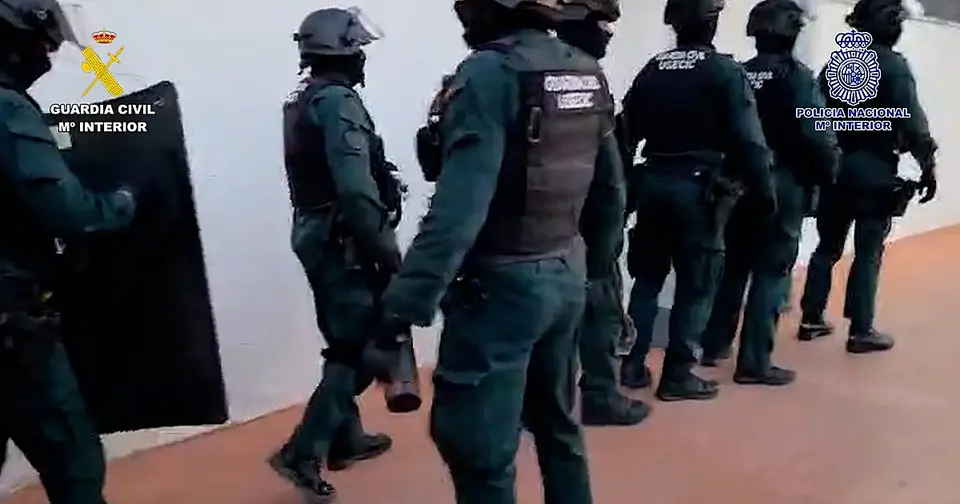
Joint operation dismantles stolen car ring in Alicante province
The Guardia Civil and National Police have arrested nine people—seven men and two women, aged between 29 and 52—in Alicante province following the dismantling of an international network allegedly dedicated to the theft of mid-to-high-range vehicles and their subsequent introduction into the legal market through the falsification of identity documents. According to ABC, both security forces disclosed details of the operation, named 'Transformer-Wheels25', in a joint statement.
During the operational phase, officers carried out six raids in the municipalities of La Nucia, Alfaz del Pi, Altea and La Villajoyosa. In those raids they recovered nine vehicles allegedly stolen, more than €71,500 in cash and a large quantity of parts from various scrapped vehicles. Tools for opening and stealing cars, devices for reading and modifying electronic control units, forged identity documents and two vehicles apparently used to commit the crimes were also seized.
The arrests were distributed among the four municipalities: three people were arrested in Alfaz del Pi, two in La Nucia, two in La Villajoyosa and two in Altea.
An organisation with its own financial structure
The investigation began after information was received about a workshop located in La Nucia where, allegedly, damaged vehicles were acquired at auctions or scrapyards for repair with parts extracted from stolen cars. Once repaired, the damaged vehicles—with their original documentation in order—were sold and reintroduced into the legal market.
The Guardia Civil and National Police stated that "the organisation was perfectly structured" and had a "financial apparatus responsible for providing economic support to members of the criminal group". The scheme included people dedicated exclusively to vehicle theft and intermediary companies responsible for managing the reintroduction of cars through the acquisition of damaged vehicles, whose documentation was used to give legal identity to the stolen ones.
Geolocalisation and homemade electronic systems
According to the investigation, the group previously selected vehicles with "strong sales" in the European market, whose opening and ignition systems were compatible with the equipment available to those investigated. Once the target was identified, they installed geolocation devices to "observe the best moment and place to carry out the theft" and accessed the cars "using homemade electronic systems".
After stealing the vehicles, they transported and hid them in homes or remote premises, where they installed forged number plates before giving them a new identity. To do this they used two methods: using genuine documentation from damaged vehicles or resorting to cloning, that is, "using forged documents from foreign vehicles with which they registered the vehicle in another country, legalising them and obtaining new genuine documentation based on previously forged documentation", according to the investigation.
Investigation remains open
Both security forces have stressed that the investigation remains open and that further arrests are not ruled out, nor the identification of additional victims and stolen vehicles.
Source: ABC