Nine arrested for vandalising Cercanías network with damage exceeding €400,000
A graffiti gang known for signatures such as Sice, Nars or Sema was dismantled in Madrid after causing destruction to the Cercanías rail network. Two of the nine arrested are minors.
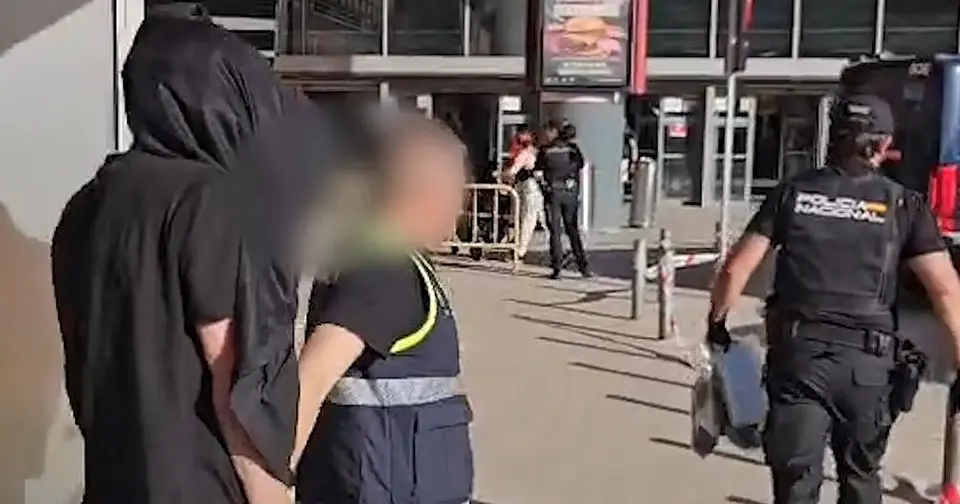
Graffiti crew dismantled after 90 offences of criminal damage on Madrid's Cercanías network
Nine people, two of them minors, have been arrested this week at their homes in Madrid as part of an operation against one of the most active graffiti crews in the region. According to ABC, those arrested operated under signatures such as Sice, Nars or Sema and are responsible for damage valued at over €400,000 to the Renfe Cercanías network.
The investigation, led by the Railway Operations Group attached to the Mobile Brigade, made it possible to clarify 90 offences of criminal damage and a further 17 of public disorder. "What they always seek is notoriety," say the police sources consulted by the outlet.
The method: stopping moving trains and attacking with ignited aerosols
The group's primary mode of operation was the so-called 'palancazo': activating the train's emergency brake to stop it abruptly and, within minutes, covering as much surface area as possible with paint. The manoeuvre posed a direct risk to the driver and passengers on board. On other occasions, members of the gang accessed stations through unauthorised areas to target trains stationed in the depot areas of the terminals.
The most serious incident took place at the end of last year at Cantoblanco station, which serves the Autonomous University of Madrid. There, several members combined aerosols and lighters to generate flames and avoid being intercepted by security guards. The investigation began in December, following a series of similar incidents at San José Valderas, Zarzaquemada, Pitis and Pinar de las Rozas stations. Most of the attacks occurred at the end of the day, with the service still in operation, or in the early hours of the morning, when the group broke into the depots.
Material seized and prior convictions accumulated
During the house searches, officers seized portable radios, master keys for accessing the depots, and numerous aerosol cans of different models, some of high value on the market. The nine arrested had already accumulated prior convictions, to which new charges for criminal damage and public disorder are now being added.
The fact that two of those arrested are minors reflects a typical dynamic within this type of group. Schools and sixth forms function as the main recruitment ground for these crews, which are characterised by a very closed-access system. Following the reform of the Penal Code in July 2015, misdemeanours were abolished and so-called minor offences were created, a route that facilitates the incorporation of younger graffiti artists without severe criminal consequences.
Legal framework: fines and parental responsibility
Judges typically classify this conduct as criminal damage: minor if the amount does not exceed €400, less serious if it does. Financial penalties in the former case range from 1 to 3 months' fine; in the latter, from 6 to 24 months. The daily rate is generally around €10. This is in addition to the obligation to repair the damage caused.
For those under 14 years of age, considered unaccountable, civil responsibility falls to parents or guardians. From that age onwards, it is common for young people to be subject to corrective measures such as community service, compulsory training courses or supervised release.
Vandalism on Renfe: 6,500 acts in 2024 and €24 million in costs
The most recent figures made public by Renfe put the number of acts of vandalism recorded on its trains during 2024 at over 6,500, with graffiti being the most frequent. The overall economic impact exceeded €24 million annually, a figure that includes indirect costs arising from cleaning up the interventions.
Source: ABC