Telephone fraud in Ioannina: three arrests across two criminal networks
Three members of two telephone fraud networks were arrested in Ioannina. They posed as relatives, doctors and accountants to extract money from elderly citizens.
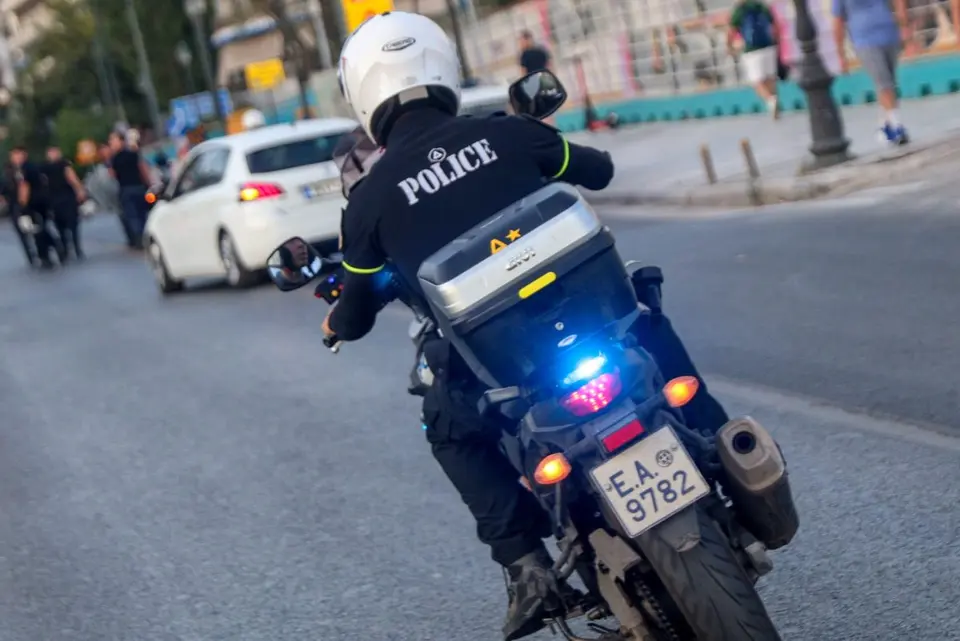
Arrests of members of two telephone fraud networks in Ioannina
Three arrests and one identification were made by the Ioannina Prosecution and Crime Investigation Directorate, dismantling members of two separate telephone fraud networks. According to Dikastiko.gr, the perpetrators primarily targeted elderly citizens, whom they defrauded via telephone in order to extract money and valuables.
Among those arrested — two men and one woman — criminal charges were brought for participation in a criminal organisation, fraud with intent to defraud, violence against employees, failure to issue a police identity card and violation of the Highway Code.
The modus operandi of the first network: relatives and fake police officers
Members of the first criminal organisation contacted unsuspecting citizens by telephone, presenting themselves as relatives who had suffered an accident or as hospital doctors. They requested immediate money on the pretext of urgent surgical intervention.
When potential victims refused to be persuaded, the same perpetrators would call again with a new identity: this time presenting themselves as officers of the Cyber Crime Prosecution unit. They claimed to have knowledge of an attempted fraud against the victim and urged them to deposit money and valuables at a specific location, ostensibly as bait for the arrest of the perpetrators.
The second network: accountants and "asset verification"
The second network employed a different approach. Its members posed as accountants and informed victims that they needed to gather cash and valuables from their homes and hand them over for "mandatory verification" of their assets. The pretext: avoiding a fine from the tax authority.
Specialist units identified the "collectors"
To investigate the cases, the police formed specialist teams that focused on identifying the so-called "collectors" — members of the networks who undertook to visit the victims' homes and collect the money or valuable items. The investigations led to the arrests, whilst a fourth individual was identified without being arrested at the same stage.
Source: Dikastiko.gr