Record seizure of 43 kg of cocaine annulled in Martinique following judicial irregularity
An anti-drugs operation by Ofast Caraïbe resulted in the release of five suspects arrested. A procedural error rendered weeks of investigation void.
Five suspects released despite 43 kg of cocaine seized in Martinique
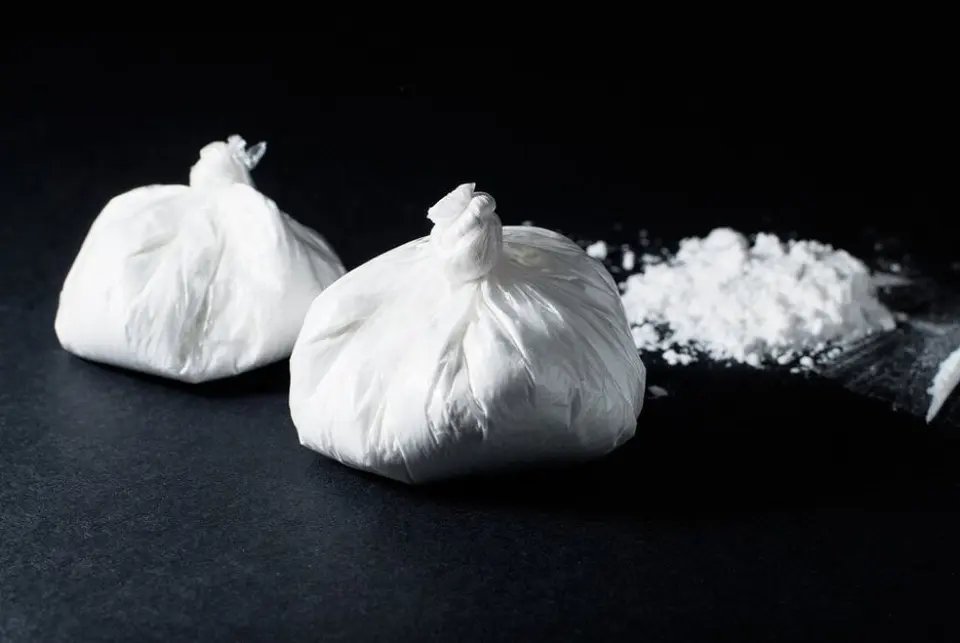
An anti-drugs operation conducted over several weeks in Martinique ended in failure: the five individuals arrested were released without prosecution after a procedural irregularity invalidated the entire proceedings. Franceguyane.fr reports that the seizure — 43 kg of cocaine estimated at several million euros — was rendered null by an error attributable to the judicial institution.
The investigation had begun on 21 July, conducted by the Anti-Narcotics Office (Ofast) Caraïbe. It targeted a network smuggling cocaine via removal packages between Martinique and Villiers-le-Bel, in Val-d'Oise. Investigators had traced the packages from Fort-de-France port to that of Le Havre, then to their final destination. On 28 August, the operation resulted in the arrest of five suspects and the confiscation of 43 kg.
On the same day, an internal note from the national directorate of the judicial police, consulted by Le Monde, stated a "procedural irregularity" attributed to the judicial institution. Direct consequence: the five individuals had to be released, without any prosecution being brought. The unusually critical tone of this police document reflected, according to observers, a profound dissatisfaction among investigating services.
This setback came barely a week after the visit by Interior Minister Bruno Retailleau to Martinique on 21 and 22 August. On that occasion, he had announced the deployment of reinforcements to stem what he had termed a "white tsunami" of cocaine striking the Caribbean. The failure is perceived as a serious blow, both operationally and symbolically, to the credibility of anti-drug trafficking measures in overseas territories.
The note explicitly identifies a judicial error, relaunching questions about resources allocated to justice and police in overseas territories, as well as coordination between these actors. Faced with increasingly structured criminal networks, the procedural technicality of transnational investigations leaves little room for error. A single formal flaw here was sufficient to annul a major operation, providing drug traffickers an outcome that no court had granted.
Source: Google News MQ — Crime