Peruvian Senate delegates legislative powers to Fujimori to combat organised crime
Peru's Senate approved by 35 votes the delegation of executive powers on security matters for 90 days. The opposition warns of risks of military abuse.
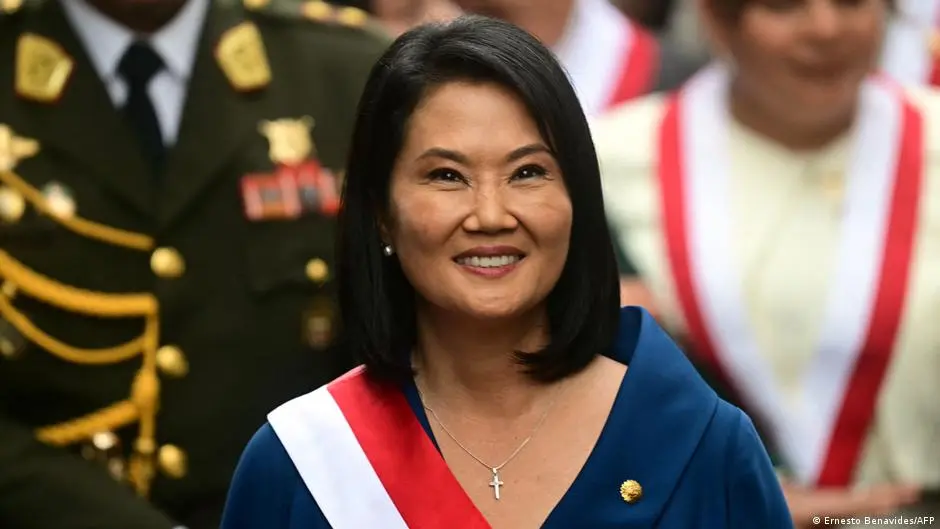
Peru grants extraordinary powers to Fujimori on security for 90 days
Peru's Senate approved on Wednesday a bill authorising president Keiko Fujimori to legislate by decree against organised crime for 90 days, without needing to go through Congress, according to dw.com. The measure was backed with 35 votes in favour, 18 against and 6 abstentions, following three hours of debate.
The country of 34 million inhabitants is experiencing its worst security crisis since the end of the internal armed conflict (1980-2000), with a sustained increase in homicides and extortions.
Approved powers
With the legislative delegation, Fujimori—who assumed the presidency in July—is enabled to issue regulations on migration control, regulation of weapons use and reform of the prison system. She will also be able to expand the role of the Armed Forces in support of the National Police against criminal gangs when the latter sees its operational capacity exceeded.
"The full Senate approved the delegation of legislative powers to the Executive Branch on citizen security and the El Niño phenomenon for a period of 90 days," Parliament announced through X.
The Senate also authorised the president to create a registry of criminal organisations that adopt practices "used by terrorism or analogous", which she will be able to investigate with "special techniques", pursue their assets and bring to trial.
In addition, military forces will be able to provide external security in high-danger prisons, from where authorities state that criminal actions are coordinated.
Debate and opposition warnings
The bill had been previously approved by the Chamber of Deputies, but the Senate incorporated new powers related to military deployment, which provoked rejection from opposition sectors.
Arturo Huaytalla, a public security expert, told AFP that support from the Armed Forces to the police has already been applied exceptionally in Peru since 2015. "The risk is that this exceptionality ends up becoming normalised" and that the military "lead police functions", he warned. For Huaytalla, "their greatest contribution should be in producing and sharing intelligence".
Senator Ruth Luque, from the left-wing party Ahora Nación, alerted to possible effects on fundamental rights and proposed establishing restrictions on military participation in internal security tasks. The opposition fears that the Armed Forces could incur abuses by joining the control of public order.
Luis Galarreta, president of the Council of Ministers, valued the changes introduced by the Senate although he warned that "many things are still missing". Meanwhile, Fujimori told local media: "We would have liked them to give us greater powers".
Reduction of the original proposal
The proposal had been presented by the Executive in August with 66 legislative requests covering state reform and labour measures, among others. The deputies reduced them to 20 and concentrated them in two areas: fighting crime and measures against the El Niño climate phenomenon. The Senate carried out a new round of adjustments this week, aimed mainly at provisions on military deployment.
The president of Congress must now send the approved text to Fujimori for her to enact it.
El Niño and climate emergency
Congress also delegated powers to the Executive to face the El Niño phenomenon, which raises the temperature of the Pacific Ocean and alters rainfall and wind patterns. In Piura, one of the historically most affected regions, the first seasonal floods were recorded due to intense rainfall. In the Andes and the Amazon, forest fires are spreading due to high temperatures. Scientists warn that the event could be the most intense in decades.
Fujimori, daughter of former president Alberto Fujimori (1990-2000)—condemned for human rights violations—promised during the electoral campaign to tackle crime with the same firmness as her late father.
Source: Google News PE — Crime