Slovenian drug gangs with extensive cocaine network: nine arrests in one year
Slovenian police have arrested nine members of domestic drug organisations in the past year. Cocaine remains increasingly accessible and is no longer limited to the elite.
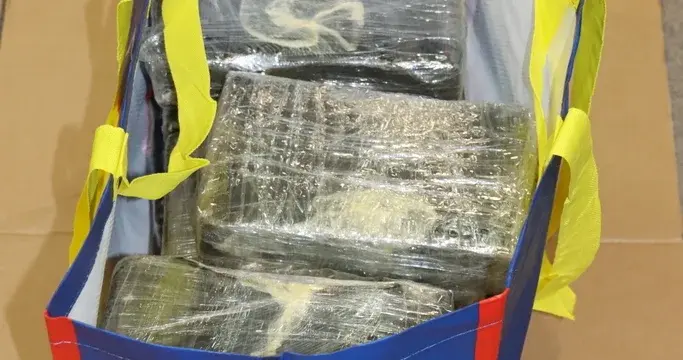
Nine arrests, kilograms of cocaine and growing drug gangs in Slovenia
Slovenian police have arrested nine members of domestic drug organisations involved in international cocaine trafficking in the past year, reports Delo. The quantities seized during transport in Slovenia are not record-breaking – most of the cocaine from Slovenian organisations was seized abroad.
In photographs published by police, the scope of operations is evident: 15 kilograms of cocaine lay in an ordinary reusable shopping bag. This is a clear sign that Slovenian distributors were operating as wholesalers – both due to domestic market demand and because of large global supply.
Cocaine as a stimulant spread across Europe in two waves. The American market detected the first wave a decade ago, whilst the second has swept across Europe in this millennium. According to Delo, Slovenian purchasing power sustains the market at a value between 70 and 100 euros per gram of the white powder.
The new wave of cocaine arriving on European shores via ship cargo and home-made submarines shows no signs of abating. On the contrary, it is growing. According to Delo's findings, domestic members of drug organisations have become more prominent actors in the global network and sell part of the goods in neighbouring countries as well.
The risks for drug dealers are increasing. Police operate internationally, and digital traces make concealment more difficult. Law enforcement authorities observe drug dealers for a long time before arresting them and attempting to seize profits from illegal trade.
Cocaine today is no longer a commodity for the European elite. Whilst awareness of heroin has increased and fentanyl – unlike in the USA – is less accessible in Europe, cocaine has again become a stimulant without class boundaries. As Delo reports, users pay for this indulgence with their health and money, whilst dealers pay with long-term loss of freedom and property. There are no real winners among these lines of cocaine – everyone pays their own price.
Source: Delo