Police officer dies in operation against Clan del Golfo in Ocaña, Norte de Santander
Patrol officer Francisco Javier Jaimes Angarita died during Operation "Gevurah" in the hamlet of Pueblo Nuevo, Ocaña. Three alleged members of the armed group were neutralised.
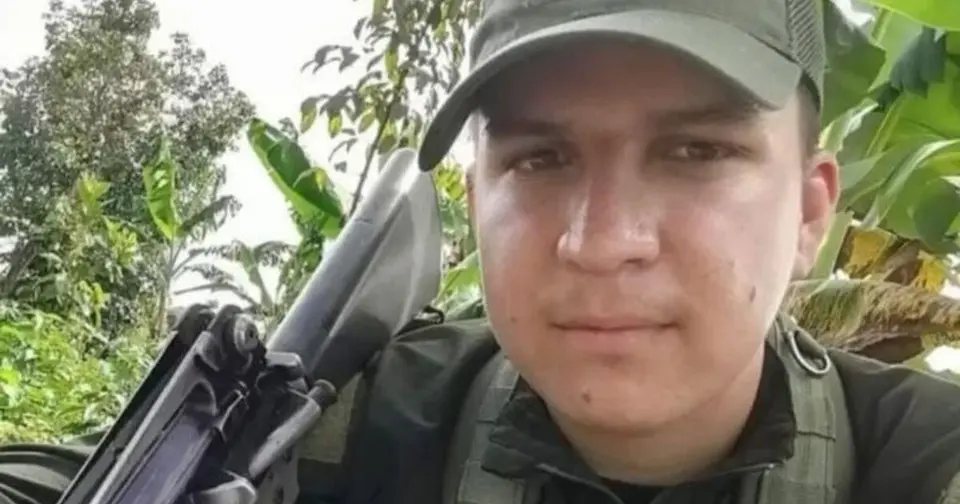
Patrol officer killed in combat during Operation "Gevurah" against Clan del Golfo in Ocaña
According to infobae.com, a member of the National Police lost his life on 6 June 2026 during an operation against Clan del Golfo in the rural area of Ocaña, Norte de Santander.
The victim was identified as patrol officer Francisco Javier Jaimes Angarita, a member of the Rural Special Operations Group (GOER). The officer died at approximately 6:40 a.m. in the hamlet of Pueblo Nuevo whilst forming part of the reconnaissance component that was intervening at the operational target.
The operation was part of the deployment called "Gevurah", executed within the framework of Operation Sparta and aimed at dismantling the Ferney Antonio López Polo sub-structure of the Gaitanist Army of Colombia (EGC), one of the Clan del Golfo's structures with a presence in the region.
The authorities reported that Jaimes Angarita had four years of service in the institution and was originally from the hamlet of Las Palmeras in Norte de Santander. He leaves behind a wife and two minor children.
During the operation, according to the official report, three alleged members of the illegal armed group were neutralised. Military and police operations continued in the area at the time the information was published, with the aim of damaging the criminal capacity of the organisation and guaranteeing the security of the affected communities.
The authorities were making arrangements for the technical inspection of the body and the corresponding judicial and administrative procedures. The police institution highlighted the patrol officer's commitment during his years of service in defence of public security and expressed condolences to his family.
Clan del Golfo intensifies operations in the Colombian Pacific
Parallel to the operation in Ocaña, Clan del Golfo had apparently intensified its illegal activities in the Colombian Pacific. The immediate backdrop is the decision by the Attorney General's Office to maintain active arrest warrants against 29 members of the group, a measure that affects the transfer process to Temporary Location Zones envisaged by the Government in order to advance formal negotiations with the self-styled Gaitanist Army of Colombia.
Military intelligence sources cited by Caracol Radio indicated that the reduction in judicial and military pressure would have facilitated the movement of illegal troops through the Pacific corridor. According to those sources, criminal structures intensified the transfer of troops, weaponry and supply material along the Atrato River and through the Salaquí, Truandó and Buchadó rivers.
In that same area, there are movements recorded in maritime corridors near Unguía, Acandí and Capurganá in the department of Chocó. "The intention is to move the maximum amount of cocaine hydrochloride they have stockpiled and consolidate control over the populations," a military source told Caracol Radio.
Activities in that corridor would be led by the Pablo José Montalvo Cuitiva Front of the EGC, responsible for controlling routes between Riosucio, Belén de Bajirá, the Cacarica River and border zones with Panama. The same sources identified Jobanis de Jesús Ávila Villadiego, alias Chiquito Malo, the group's top commander, as the leader who would have coordinated actions with Elkin Casarrubia Posada, alias El Cura, to strengthen trafficking in this new operational context.
The authorities reiterated that operations against Clan del Golfo will continue in Norte de Santander and in other regions of the country, with the objective of weakening their structures and bringing those who make up these criminal organisations before justice.
Source: Google News CO — Crime